
 Phoebe Lydia
Tax liability is a fundamental aspect of financial responsibilities that touches every individual and corporation. It reflects the amount owed to the government based on earned income, property ownership, and various other factors, which can differ significantly across jurisdictions. Understanding the nuances of tax liability is crucial, as it not only affects one’s financial health but also shapes economic activities globally.
The landscape of tax liability is constantly evolving, influenced by changes in legislation, economic conditions, and social expectations. As individuals and businesses navigate their obligations, they must stay informed about variances in tax codes, deductions, credits, and obligations that can substantially impact their overall financial strategy. This complexity highlights the importance of staying educated and seeking guidance to optimize tax liabilities.
Understanding Tax Liability in Different Jurisdictions
Tax liability refers to the legal obligation of an individual or business to pay taxes to the government based on their income, property, or other taxable activities. This liability can vary widely from one jurisdiction to another, influenced by local laws, tax rates, and economic conditions. Understanding these variances is critical for effective financial planning, especially for international businesses and expatriates. For instance, while some countries may impose a flat tax rate on income, others might have progressive tax systems where higher earners pay a higher percentage. Additionally, tax liability can be affected by factors such as types of income (earned vs. unearned) and the presence of various deductions or credits offered by different governments.
The implications of these varying tax laws can be significant for individuals and businesses alike. For individuals, differences in personal income tax rates can impact disposable income and overall financial welfare. For example, a high tax rate in one country might discourage work or investment, while lower rates in another might encourage economic activity. Businesses, particularly those operating across borders, face further complexities. They must navigate different corporate tax rates, compliance requirements, and regulations, which can affect their overall profitability and operational strategies. Moreover, multinationals must consider transfer pricing regulations, which dictate how transactions between subsidiaries in different jurisdictions are taxed. Failure to comply with local tax laws can lead to substantial penalties and affect a company’s reputation.
To illustrate the diversity of tax liabilities, here are specific examples from three distinct countries:
- United States: The federal income tax rate can range from 10% to 37%, depending on income levels. Additionally, there are state income taxes that vary greatly from one state to another, with no state income tax in places like Florida or Texas.
- Germany: Income tax rates for individuals can be as high as 45%, with a solidarity surcharge of 5.5% on the income tax for high earners. Moreover, businesses are subject to corporate tax rates around 15%, plus trade tax which varies by municipality.
- United Arab Emirates: The UAE has no federal income tax on individuals, making it attractive for expatriates. However, corporate tax is implemented for oil companies and foreign banks at rates around 20%, with recent discussions about implementing a broader corporate tax for other businesses.
The Components of Tax Liability Calculation
Understanding the components of tax liability is crucial for individuals and businesses alike, as it lays the foundation for effective tax planning and compliance. Tax liability is generally determined by a series of calculations that take into account various forms of income, allowable deductions, and available tax credits. Each factor plays a significant role in determining the total amount owed to the government. The interplay between these components influences how much tax you will ultimately pay.
Main Components of Tax Liability
The calculation of tax liability involves several key components, which include income, deductions, and credits.
1. Income: This is the starting point for calculating tax liability. Income can come from various sources such as wages, salaries, dividends, interest, and rental income. Generally, all types of income are taxable unless specifically exempted by law.
2. Deductions: Deductions reduce the amount of income that is subjected to taxation. They are essential in lowering your taxable income, which, in turn, decreases your overall tax liability. Some common deductions include:
– Standard Deduction: A fixed deduction available to all taxpayers, which varies based on filing status.
– Itemized Deductions: Specific expenses that can be deducted if they exceed the standard deduction. These can include mortgage interest, medical expenses, and charitable contributions.
3. Credits: Tax credits provide a dollar-for-dollar reduction in the tax owed. Unlike deductions, which reduce taxable income, credits directly lower the tax liability. Examples of tax credits include the Earned Income Tax Credit and education credits.
Each of these components plays a pivotal role in calculating your tax liability, and understanding their implications can lead to more strategic financial decisions.
Impact of Different Types of Income on Tax Liability
The type of income an individual earns significantly affects tax liability. Income is generally classified into two categories: earned income and unearned income.
– Earned Income: This refers to all wages and salaries received from employment, as well as income generated from self-employment. Earned income is typically taxed at higher rates compared to unearned income. It often qualifies for tax benefits, such as the Earned Income Tax Credit, which is specifically designed to benefit low to moderate-income taxpayers.
– Unearned Income: This includes income derived from sources that are not directly tied to employment, such as dividends, interest, capital gains, and rental income. Unearned income is generally taxed at a lower rate. For instance, long-term capital gains are subject to favorable tax rates compared to ordinary income. Therefore, the distinction between earned and unearned income is crucial in tax planning, as it can lead to different effective tax rates and liabilities.
The strategic management of these income types can lead to significant tax savings.
Comparative Deductions and Their Impact on Tax Liability
The following table illustrates various deductions and their respective impacts on overall tax liability:
| Deductions | Impact on Taxable Income | Potential Tax Savings | Eligibility Criteria |
|---|---|---|---|
| Standard Deduction | Reduces taxable income by a fixed amount | Varies based on filing status (e.g., $12,550 for single filers in 2021) | Available to all taxpayers |
| Mortgage Interest Deduction | Reduces taxable income based on interest paid | Significant savings for homeowners | Must pay mortgage interest on a qualified residence |
| Charitable Contributions | Allows deduction of donations | Reduces taxable income, increasing savings | Must donate to qualified organizations |
| Medical Expenses | Only amounts exceeding 7.5% of AGI are deductible | Can lead to substantial savings for high medical expenses | Must exceed the specified percentage of AGI |
Each of these deductions can significantly alter an individual’s taxable income and, consequently, their overall tax liability.
Tax Liability for Corporations vs. Individuals
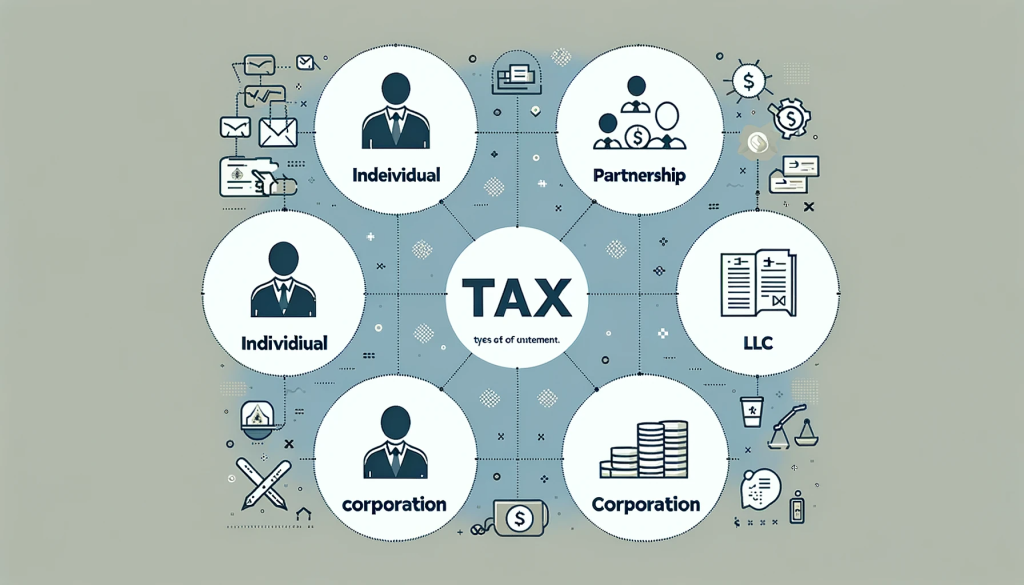
When it comes to tax liability, corporations and individual taxpayers face significantly different frameworks and obligations. Understanding these differences is crucial for both business owners and individual taxpayers as they navigate their financial responsibilities. Corporations are generally subject to a unique set of rules and rates that differ vastly from those applicable to individuals. This can lead to various strategies for managing tax obligations, highlighting the complexity and the nuances in the tax system.
Differences in Tax Liability
The tax liability for corporations often operates under a different set of rules compared to individual taxpayers. Corporations are taxed on their income at the corporate tax rate, which can vary based on jurisdiction but generally ranges from 21% to 35% in many countries. In contrast, individuals are taxed based on a progressive income tax system where rates can range significantly depending on income levels, typically between 10% and 37% in the U.S.
One key difference lies in how income is recognized. Corporations can deduct business expenses directly related to the generation of revenue, which reduces their taxable income. Individual taxpayers also have deductions, but these are often less extensive and may require itemizing expenses. Furthermore, corporations are subject to a double taxation system where the income is taxed at the corporate level and then again at the individual level when distributed as dividends to shareholders.
Additionally, corporations may have access to various tax credits and incentives that individuals do not qualify for. For instance, research and development tax credits are designed to encourage innovation and are generally available to corporations actively involved in qualifying activities. Individuals may not have similar incentives available to them, limiting their ability to reduce tax liability through credits.
Specific Tax Obligations for Corporations
Corporations face certain tax obligations that individual taxpayers do not encounter. These obligations can include:
– Payroll Taxes: Corporations must withhold and pay payroll taxes for their employees, which encompass Social Security and Medicare taxes.
– Estimated Tax Payments: Corporations are often required to make estimated tax payments throughout the year, whereas individuals typically settle their tax liabilities during the annual tax filing season.
– State and Local Taxes: Corporations may also be subject to specific state and local taxes that vary greatly depending on the jurisdiction in which they operate, including franchise taxes or gross receipts taxes.
– Tax Compliance and Reporting: Corporations must adhere to more complex reporting requirements, including filing extensive tax returns and financial statements, which require thorough accounting practices.
– Sales and Use Taxes: If a corporation sells goods or services, they must collect and remit sales tax, which is not a concern for individual taxpayers unless they are engaged in significant business activities.
Understanding these obligations is essential for corporations to remain compliant with tax laws and avoid penalties.
Strategies for Managing Tax Liability
Corporations utilize various strategies to manage or reduce their tax liability effectively. These strategies can provide financial advantages while ensuring compliance with tax laws. Here are some common approaches:
– Tax Credits: Corporations often leverage available tax credits, such as those for research and development, energy efficiency, or hiring certain disadvantaged groups.
– Expense Deductions: By ensuring all allowable business expenses are documented and deducted, corporations can significantly reduce their taxable income.
– Retirement Contributions: Corporations may set up retirement plans, allowing for tax-deductible contributions that benefit employees and lower taxable income.
– Depreciation: Corporations can take advantage of depreciation on fixed assets, spreading the cost of significant purchases over several years to reduce taxable income.
– Tax Deferral: Strategies such as establishing a subsidiary can help defer taxes to future years, allowing for reinvestment of those funds in the business.
Employing these strategies not only helps manage tax liability but also enables corporations to reinvest in growth, thereby enhancing their overall financial health.
Consequences of Unpaid Tax Liability
Unpaid tax liability can lead to serious repercussions for both individuals and businesses. Understanding these consequences is crucial to managing your financial health and ensuring compliance with tax laws. This section delves into the potential legal and financial fallout for those who fail to address their tax obligations.
Consequences for Individuals
Individuals who do not settle their tax liabilities may face a range of legal and financial ramifications. The Internal Revenue Service (IRS) has the authority to impose various penalties, which can include hefty interest charges on unpaid amounts. Over time, these financial burdens can escalate dramatically. For instance, the IRS charges a failure-to-pay penalty, which is typically 0.5% of the unpaid taxes for each month the tax remains unpaid, up to a maximum of 25%.
Moreover, unpaid taxes can lead to tax liens, which are legal claims against individuals’ properties. A lien can severely affect credit scores, making it more challenging to secure loans or mortgages. In severe cases, the IRS may initiate wage garnishments, which allow them to take a portion of an individual’s earnings directly from their paycheck.
Additionally, criminal charges may arise from tax evasion, leading to possible imprisonment. For example, in cases like that of Al Capone, who was convicted of tax evasion, such ramifications serve as a stark reminder of the seriousness of tax obligations.
Ultimately, managing unpaid tax liabilities is essential to avoid these severe penalties, and individuals should remain proactive in addressing any outstanding amounts.
Repercussions for Businesses
Businesses that fail to meet their tax obligations face unique and significant repercussions. One of the most immediate consequences is the implementation of tax liens against the company’s assets. This can hinder the ability to operate effectively, as liens can restrict access to business loans and impact credit ratings.
Moreover, businesses may incur substantial penalties and interest charges. The IRS imposes a failure-to-file penalty that amounts to 5% of the unpaid tax due for each month the return is late. For businesses already struggling financially, these additional costs can be crippling.
In extreme cases, the IRS may take more aggressive measures, such as seizing business assets or shutting down operations. This can result in significant loss of revenue and may ultimately lead to bankruptcy if not addressed promptly. Additionally, business owners may face personal liability for unpaid payroll taxes or trust fund taxes, which can extend their financial obligations beyond the business itself.
To mitigate these serious consequences, businesses must maintain accurate records and ensure timely payments of their tax liabilities. Seeking assistance from a tax advisor can be beneficial in navigating complex tax situations effectively.
Steps to Resolve Unpaid Tax Liabilities
Addressing unpaid tax liabilities promptly is essential for both individuals and businesses. Here are effective steps one can take to resolve these issues:
1. Assess the Situation: Understand the total amount owed and any penalties or interest that may have accrued.
2. Communicate with the IRS: Reach out to the IRS to discuss your situation. They may offer options for repayment plans or settlements.
3. Consider an Installment Agreement: If unable to pay in full, consider setting up a payment plan to pay the debt over time.
4. Explore Offer in Compromise: This option allows you to settle your tax debt for less than the full amount owed.
5. File All Required Returns: Ensure that all tax returns are filed, even if you cannot pay the total due. This prevents additional penalties for failure to file.
6. Stay Current on Future Tax Obligations: Make sure to meet all future tax payments to avoid compounding the issue.
Taking these steps can significantly alleviate the burden of unpaid tax liabilities and help individuals and businesses regain control over their financial situations.
Tax Liability and Estate Planning
Tax liability is a critical factor in effective estate planning. Individuals aiming to transfer their wealth to the next generation must consider the tax implications associated with their assets. Failure to account for these liabilities may result in significant tax burdens for heirs, potentially diminishing the value of the estate. Therefore, incorporating tax strategies into estate planning can maximize the wealth transferred to beneficiaries while minimizing unnecessary taxation. Understanding the nuances of tax liability ensures that individuals can formulate strategies that align with their financial goals and legacy objectives.
Role of Tax Liability in Estate Planning Strategies
Tax liability can significantly influence the choices individuals make in their estate planning. One prevalent method to mitigate tax exposure is through the establishment of trusts. Trusts can be designed to keep assets out of the taxable estate, thus reducing estate tax liability. For example, irrevocable trusts transfer assets out of the estate, effectively removing them from the taxable estate. This strategy can safeguard the wealth for heirs and ensure that beneficiaries receive more post-tax value.
Another strategy involves gifting assets during one’s lifetime. The IRS allows individuals to gift a certain amount per year, which can significantly reduce the size of the taxable estate. This approach can also help in lowering the estate tax liability for high-net-worth individuals. Utilizing annual exclusion gifts can result in a smoother transfer of wealth while minimizing tax implications for both the giver and receiver.
Moreover, retirement accounts and life insurance policies also play crucial roles in estate planning. Designating beneficiaries on these accounts ensures a direct transfer upon death, often bypassing the estate and any associated taxes. However, it’s important to note that heirs may still face income taxes on distributions from retirement accounts, highlighting the need for strategic planning.
Tax Implications for Heirs and Beneficiaries of Inherited Assets
The tax implications for heirs and beneficiaries when inheriting assets can vary considerably based on the type of asset and the estate’s structure. Generally, inherited assets receive a step-up in basis. This means that the asset’s value is adjusted to its market value at the time of inheritance, reducing capital gains taxes if the heir sells the asset. For instance, if a property initially purchased for $200,000 appreciates to $500,000 by the time it is inherited, the heir would only pay capital gains taxes on gains realized after the inheritance value of $500,000.
However, beneficiaries must also be aware of the potential income tax implications associated with certain inherited assets. For example, inherited retirement accounts, such as an IRA or 401(k), can generate taxable income when distributions are taken. Heirs may be required to withdraw funds from these accounts within a specified time frame, depending on the account type and the relationship to the deceased. This can create a significant tax burden if not planned properly.
Life insurance benefits, on the other hand, are typically paid out tax-free to beneficiaries, providing a financial cushion without adverse tax effects. Yet, if the deceased had any outstanding loans against a permanent life insurance policy, the outstanding amount may be deducted from the death benefit, impacting what heirs will receive.
| Estate Planning Tool | Impact on Tax Liability |
|---|---|
| Irrevocable Trust | Removes assets from taxable estate, reducing estate tax liabilities. |
| Gift Exemptions | Reduces size of estate, allowing tax-free transfers up to the annual gift exclusion limit. |
| Retirement Accounts | Potential income tax on distributions; requires careful planning to avoid tax pitfalls. |
| Life Insurance Policies | Generally provides tax-free benefits to heirs, but outstanding loans may reduce the death benefit. |
The Role of Tax Credits in Reducing Tax Liability

Tax credits play a significant role in managing individuals’ tax liabilities. Unlike deductions, which reduce taxable income, tax credits directly decrease the amount of tax owed, providing a more immediate financial benefit. Understanding the various types of tax credits available and how to effectively utilize them can lead to substantial savings, freeing up resources for other financial priorities.
Tax credits come in two primary forms: refundable and non-refundable. Refundable tax credits allow taxpayers to receive a refund if the credit exceeds their tax liability, whereas non-refundable credits can only reduce tax liability to zero and not beyond. Among the notable types of tax credits are those aimed at fostering education, encouraging home ownership, and promoting sustainable energy practices. Taxpayers can capitalize on these credits to significantly lower their tax burdens.
Types of Tax Credits Available
Various tax credits can assist individuals in reducing their tax obligations. Understanding these credits is essential for maximizing potential savings. Below are some common tax credits that individuals might qualify for:
- Earned Income Tax Credit (EITC): A refundable credit for low to moderate-income working individuals and families, especially those with children.
- Child Tax Credit: Designed for families with children under 17, this credit provides financial relief to qualifying parents.
- American Opportunity Tax Credit: A credit for eligible students pursuing higher education, allowing for a maximum credit per student per year.
- Lifetime Learning Credit: Available for individuals enrolled in eligible educational institutions, this non-refundable credit helps offset tuition costs.
- Mortgage Interest Credit: A non-refundable credit available to homeowners who receive a mortgage credit certificate from their state or local government.
- Residential Energy Efficient Property Credit: A credit for individuals who invest in solar energy systems, wind turbines, or other renewable energy sources for their homes.
Applying for tax credits can be a straightforward process, but it requires attention to detail and awareness of eligibility criteria. First, taxpayers should familiarize themselves with the specific requirements for each credit, often detailed on the IRS website or in tax preparation resources. Many credits require documentation, such as income statements, tax forms, or receipts for eligible expenses.
Once the appropriate forms are gathered, taxpayers can complete the necessary sections on their tax returns. Some credits may require additional forms or schedules. For instance, the EITC necessitates filing Form 1040 and potentially additional schedules based on individual circumstances. It’s important to double-check the application details to ensure accuracy.
The impact of tax credits on overall tax obligations can be significant. For example, a taxpayer eligible for the EITC may reduce their tax liability by several thousand dollars, greatly alleviating financial pressure. Additionally, claiming education credits can help offset the rising costs of tuition, making education more accessible. These credits not only reduce immediate tax burdens but can also contribute to long-term financial well-being by allowing taxpayers to allocate saved funds toward savings, investments, or other essential expenditures.
Future Trends in Tax Liability Regulations
As the global economy evolves, so too does the framework governing tax liability regulations. Emerging trends reflect a shift towards more dynamic and responsive tax systems that aim to address the complexities of modern economies. This evolution is necessary to meet the demands of both individual taxpayers and businesses operating in an increasingly interconnected world. The focus is shifting towards ensuring tax compliance, fairness, and adaptability to rapid changes in technology and societal expectations.
Innovative approaches to tax regulation are becoming crucial as governments worldwide look for ways to simplify tax compliance while maximizing revenue. The integration of technology, especially data analytics and artificial intelligence, is making it easier for tax authorities to track taxpayer activities and enforce compliance. This not only enhances the efficiency of tax collection but also reduces the administrative burden on taxpayers. Furthermore, there is a growing emphasis on transparency and fairness in tax regulations, which is likely to lead to stricter penalties for non-compliance and increased scrutiny of tax avoidance strategies.
Globalization and Digital Economy Reshaping Tax Liability Frameworks
The forces of globalization and the rise of the digital economy are significantly altering tax liability frameworks worldwide. As businesses increasingly operate across borders, traditional tax structures are being challenged. Digital companies often generate substantial revenue without a physical presence in tax jurisdictions, complicating tax assessments. This situation has prompted many countries to reconsider their tax policies to ensure that revenue is effectively captured from digital activities.
Countries are pursuing measures such as digital services taxes (DSTs) to address the growing concerns surrounding tax revenue lost to digital giants. For instance, measures implemented in various European nations aim to tax revenues generated from online services, reflecting a shift in how tax liability is determined in the digital age. Additionally, the OECD’s Base Erosion and Profit Shifting (BEPS) initiative is driving reforms aimed at preventing tax avoidance by multinational corporations, promoting a fairer tax landscape.
The implications for taxpayers are significant, with changes likely to impact how individuals and businesses manage their tax liabilities. Taxpayers may need to adapt to new filing systems and compliance requirements as regulations evolve, particularly in sectors heavily influenced by digitalization.
Anticipated changes in tax laws that could affect individuals and businesses in the next decade include:
- Increased focus on digital taxation, particularly for global tech companies.
- Implementation of comprehensive data collection systems to enhance compliance monitoring.
- Stricter penalties for tax evasion and avoidance, including harsher fines and legal repercussions.
- Greater transparency requirements for multinational companies regarding their tax strategies and payments.
- Potential harmonization of tax regulations across jurisdictions to reduce gaps exploited by multinational corporations.
- Increased use of artificial intelligence and data analytics by tax authorities to streamline compliance processes.
- Adjustments to personal tax rates and incentives to reflect changing economic conditions and social needs.
Closure
In summary, tax liability is not just a number on a balance sheet; it plays a vital role in personal and corporate financial planning. The implications of how taxes are assessed can lead to significant financial consequences or savings depending on one’s understanding and approach. As both individuals and businesses look to the future, staying ahead of changes in tax regulations will be key to strategically managing tax liability and ensuring compliance while maximizing available benefits.
Question & Answer Hub
What is tax liability?
Tax liability refers to the amount of money an individual or business is legally obligated to pay in taxes based on their income and other taxable activities.
How is tax liability calculated?
Tax liability is calculated using various factors including gross income, allowable deductions, tax credits, and applicable tax rates.
Are there penalties for unpaid tax liability?
Yes, failing to pay tax liabilities on time can result in penalties, interest on unpaid amounts, and potential legal consequences.
Can I reduce my tax liability?
Yes, individuals and businesses can reduce their tax liability through various deductions and credits, planning strategies, and tax optimization measures.
What happens to my tax liability if I move to a different country?
Your tax liability may change significantly as different countries have varying tax laws, rates, and obligations that could either increase or decrease your overall liabilities.