
 Phoebe Lydia
Tax return season can be a whirlwind of paperwork, numbers, and deadlines, yet understanding the essentials can transform it into a manageable task. As the backbone of our tax system, a tax return not only fulfills legal obligations but also opens doors to potential refunds and credits that can ease financial burdens.
Grasping the significance of timely and accurate submissions ensures that both individuals and businesses navigate tax return processes smoothly. From understanding basic concepts to knowing what documents are needed and the available filing options, being informed is half the battle.
Tax return basics encompass the definition and significance of filing.
Filing a tax return is a fundamental responsibility for individuals and businesses alike, serving as a critical component of the tax system. It involves reporting income, expenses, and other pertinent financial information to the government, which ultimately determines tax liabilities or refunds. Understanding the basics of tax returns illuminates their significance in maintaining legal compliance and contributing to public services through tax revenue.
Timely and accurate submission of tax returns is crucial for several reasons. Firstly, it ensures compliance with the law, avoiding penalties and interest charges that can accrue from late filings. Furthermore, accurate returns can maximize potential refunds and minimize liabilities, providing financial benefits to taxpayers. Businesses particularly must adhere to strict deadlines and regulations to maintain their operational legitimacy and financial health.
Common misconceptions about tax returns
There are prevalent misconceptions surrounding tax returns that can lead to confusion and potential pitfalls for filers. Understanding these myths is essential to navigate the tax landscape effectively. Here are some examples:
- Only those with high incomes need to file: Many believe that tax filing is only necessary for high earners. In reality, anyone earning above the minimum threshold set by the IRS is required to file a tax return, regardless of their income level.
- Filing an extension means no payment is due: Some filers think that obtaining a filing extension grants them additional time to pay their taxes. However, any owed taxes are still due by the original deadline, and failure to pay can result in penalties.
- All tax refunds are due to overpayment: A common misunderstanding is that tax refunds are always a result of overpaying taxes. Refunds can also arise from tax credits and deductions, which reduce the overall tax liability.
- Tax returns are always complicated: While some tax situations can be complex, many individuals have straightforward tax returns. Utilizing tax software or professional services can simplify the filing process.
“Understanding your tax return is an essential step in financial literacy and planning.”
Tax return preparation involves necessary documents and steps one must follow.
Preparing a tax return requires careful attention to detail and organization. Understanding the necessary documents and the steps involved can lead to a smoother filing process, reducing stress and ensuring accuracy. Here’s a comprehensive look at what you need to gather and the steps to follow.
Documents Required for Tax Return Preparation
Gathering the correct documents is crucial in accurately completing a tax return. Below is a list of the essential documents needed:
- W-2 Forms: These forms report your annual wages and the taxes withheld from your paycheck.
- 1099 Forms: These forms are utilized for reporting various types of income, such as freelance earnings or interest income.
- Receipts for Deductions: Keeping receipts for deductible expenses like medical costs, charitable donations, and business-related expenses is important for maximizing deductions.
- Last Year’s Tax Return: This can serve as a helpful reference point for your current year’s filing.
- Social Security Numbers: Ensure you have the Social Security numbers for yourself, your spouse, and any dependents.
- Bank Statements: These can help confirm interest income and expenses.
Step-by-Step Process for Preparing a Tax Return
Filing your taxes involves a series of steps that, when followed systematically, can simplify the process. Here’s a step-by-step guide:
- Collect all necessary documents: Ensure you have all the documents listed above before starting your tax preparation.
- Choose your filing method: Decide whether you will file electronically or by mailing a paper return.
- Fill out your tax forms: Use tax software or IRS forms to input your information accurately, including income and deductions.
- Double-check your information: Review all entries for accuracy to avoid any mistakes that could delay processing.
- Sign and date your return: Make sure to sign your return, as an unsigned tax return is considered invalid.
- File your tax return: Submit it electronically or mail it to the appropriate IRS address based on your location.
Tips for Organizing Paperwork and Information
Effective organization of your paperwork can lead to a more efficient tax preparation process. Consider the following tips:
- Create a dedicated folder: Use a physical or digital folder labeled “Tax Documents” to store all pertinent papers throughout the year.
- Maintain a checklist: Having a checklist of required documents can ensure nothing is overlooked.
- Organize documents by category: Group your documents into categories such as income, deductions, and credits for easier access.
- Utilize spreadsheets: Keeping a spreadsheet of income and expenses can streamline the data entry process at tax time.
“Proper organization and preparation can significantly reduce the stress associated with tax filing.”
Tax return filing options available to taxpayers consist of various methods to submit returns.

Taxpayers have various options for filing their tax returns, each catering to different preferences, budgets, and levels of complexity. Understanding these options can help individuals and businesses choose the most effective approach to meet their tax obligations while maximizing their potential refunds.
The primary methods of filing tax returns are e-filing and paper filing. E-filing, which involves submitting tax returns electronically, has become increasingly popular due to its convenience and speed. Conversely, paper filing entails completing physical tax forms and mailing them to the appropriate tax authority. Each method has its own benefits and drawbacks, which can influence a taxpayer’s decision.
Filing methods: e-filing and paper filing
E-filing offers several significant advantages, such as quicker processing times, immediate confirmation of receipt, and reduced likelihood of errors thanks to built-in checks within software applications. Moreover, e-filing typically leads to faster refunds, often within a few weeks. On the other hand, paper filing may be preferred by those who are more comfortable with traditional methods or have limited access to technology.
In contrast, the disadvantages of e-filing include potential technical issues, such as server outages or software compatibility problems. Paper filing can be more prone to human error during form completion and can lead to longer wait times for processing and refunds.
Tax software versus hiring a tax professional
When choosing how to file a tax return, taxpayers often face the decision between using tax software or hiring a tax professional. Tax software can simplify the process for those with straightforward tax situations, providing guidance and calculations to ensure accuracy. The cost of tax software is generally lower than hiring a professional, making it a budget-friendly option for many.
However, hiring a tax professional can be beneficial for individuals or businesses with complex tax situations, such as multiple income streams, investments, or significant deductions. Professionals bring expertise and personalized advice, potentially maximizing deductions and credits. The downside is the higher cost associated with their services.
Filing a tax return online using popular platforms
Filing a tax return online is often a straightforward process. Many taxpayers use popular platforms such as TurboTax, H&R Block, or TaxAct. Each of these platforms typically guides users through the filing process with user-friendly interfaces and step-by-step instructions.
For example, TurboTax users can start by creating an account and selecting the appropriate version based on their tax situation. They will enter their income information, and the software will automatically calculate their tax liability. Users can take advantage of various features, such as importing previous returns and receiving real-time updates on their refund status.
H&R Block and TaxAct offer similar functionalities, allowing users to e-file directly through their platforms. All of these services provide support options, including chat or phone assistance, ensuring that taxpayers can get help if needed.
Overall, the choice between e-filing and paper filing, software versus a professional, and the specific platform to use can significantly impact a taxpayer’s experience and outcome during tax season.
Tax deductions and credits play a crucial role in reducing tax liability.
Taxpayers often seek ways to minimize their tax burden, and understanding the distinction between tax deductions and tax credits is essential. Both play significant roles in lowering tax liability, but they operate differently.
Tax deductions reduce the amount of taxable income, which in turn lowers the overall tax owed. For instance, if a taxpayer has a taxable income of $50,000 and claims a $5,000 deduction, their taxable income is reduced to $45,000. On the other hand, tax credits directly reduce the amount of tax due on a dollar-for-dollar basis. For example, if the tax calculated on a $50,000 income is $5,000 and the taxpayer claims a $1,000 tax credit, their tax liability would drop to $4,000.
Differences Between Tax Deductions and Tax Credits
Understanding how tax deductions and credits affect your final payment is vital for effective tax planning. Here’s a closer look at their differences:
- Tax Deductions: Lower your taxable income. The amount of tax saved depends on your tax bracket. For example, a $1,000 deduction in the 22% tax bracket saves you $220.
- Tax Credits: Reduce your tax bill directly. A $1,000 tax credit saves you $1,000 in tax liability, regardless of your tax bracket.
Common Tax Deductions and Credits
There are numerous deductions and credits taxpayers might be eligible for, depending on their individual circumstances. Awareness of these can significantly affect tax liability.
- Common Tax Deductions:
- Mortgage interest deduction, which allows homeowners to deduct interest on their mortgage.
- Student loan interest deduction, enabling borrowers to deduct interest on their qualifying student loans.
- Medical and dental expenses that exceed 7.5% of adjusted gross income (AGI).
- State and local tax deductions, which include income or sales taxes paid.
- Charitable contributions, which allow taxpayers to deduct donations made to qualifying organizations.
- Common Tax Credits:
- Earned Income Tax Credit (EITC), aimed at low to moderate-income workers, providing a direct reduction in tax owed.
- Child Tax Credit, which gives a credit for each qualifying child under the age of 17.
- American Opportunity Tax Credit for qualified education expenses for eligible students in the first four years of higher education.
- Lifetime Learning Credit, supporting education beyond the first four years.
- Health Coverage Tax Credit, assisting those who lost their jobs or are receiving Trade Adjustment Assistance (TAA).
Strategies for Maximizing Deductions and Credits
To ensure taxpayers benefit fully from available deductions and credits, employing effective strategies is crucial. Here are some ways to optimize tax savings:
- Keep meticulous records of all eligible expenses and contributions throughout the year to substantiate claims when filing.
- Consider maximizing contributions to retirement accounts like a 401(k) or IRA, which can provide immediate tax deductions while saving for the future.
- Review eligibility for credits annually, as changes in income or household status can affect qualification.
- Utilize tax preparation software or consult with a tax professional for guidance on overlooked deductions and credits.
- Itemize deductions if they exceed the standard deduction, especially if you have significant qualifying expenses.
“Maximizing deductions and credits can lead to substantial savings, often transforming tax liabilities into refunds.”
Tax return audits represent an important aspect of the tax system that individuals should understand.
Tax return audits can be a source of anxiety for many taxpayers. Understanding the triggers and processes associated with these audits can help individuals prepare and navigate through them more effectively. Being informed can ease the stress and uncertainty often associated with facing an audit.
Several factors can trigger a tax return audit, and recognizing the common red flags may help taxpayers avoid unnecessary scrutiny. Certain behaviors and discrepancies in tax filings can attract the attention of tax authorities.
Triggers and Red Flags for Audits
Understanding what may spark an audit is crucial. Below are notable factors that can lead to an audit:
- High income levels: Taxpayers earning significantly above average income are more likely to be audited.
- Large deductions: Claiming deductions that are disproportionately high compared to income can raise suspicion.
- Inconsistencies: Discrepancies between reported income and information from employers or financial institutions can trigger an audit.
- Self-employment: Individuals with income from freelance work or businesses often face higher scrutiny.
- Excessive business expenses: Claiming excessive expenses that seem unrelated to reported income may lead to questions from auditors.
- Unreported income: Failing to report all sources of income can be a significant red flag.
The audit process can be daunting, but knowing what to expect can mitigate fear. Generally, taxpayers selected for an audit will receive a notification from the tax authority, detailing the areas of concern and the documents needed for review.
The Audit Process
The audit process includes the following stages:
- Notification: Taxpayers receive a formal letter indicating that their return has been selected for audit.
- Information request: Auditors will specify which documents and records are required for review.
- Documentation review: Taxpayers must provide the requested records for the auditor to examine.
- Discussion: A meeting may occur, either in person or virtually, to discuss the findings and clarify any discrepancies.
- Resolution: After the review, the auditor will determine whether the return is acceptable or if adjustments are necessary.
- Follow-up: Taxpayers may have the option to appeal the results if they disagree with the auditor’s findings.
Preparing for an audit is essential for minimizing complications and ensuring a smooth process. Keeping accurate and detailed records is key to avoiding issues during an audit.
Preparation for an Audit
Maintaining organized financial records not only aids in preparation for potential audits but also enhances overall financial management. Consider implementing the following strategies for effective record-keeping:
- Maintain organized files: Categorize receipts, invoices, and financial statements in a system that allows for easy retrieval.
- Use digital solutions: Employ accounting software to track expenses and income automatically.
- Keep thorough documentation: Document all transactions, including the purpose of deductions and any relevant receipts.
- Regular audits of your records: Frequently review your financial documents to ensure accuracy and completeness.
- Consult tax professionals: Engage with tax advisors who can provide guidance and insights on record-keeping and compliance.
“Being prepared and organized can significantly reduce the stress associated with tax return audits.”
Tax return amendments are necessary when errors or changes occur.
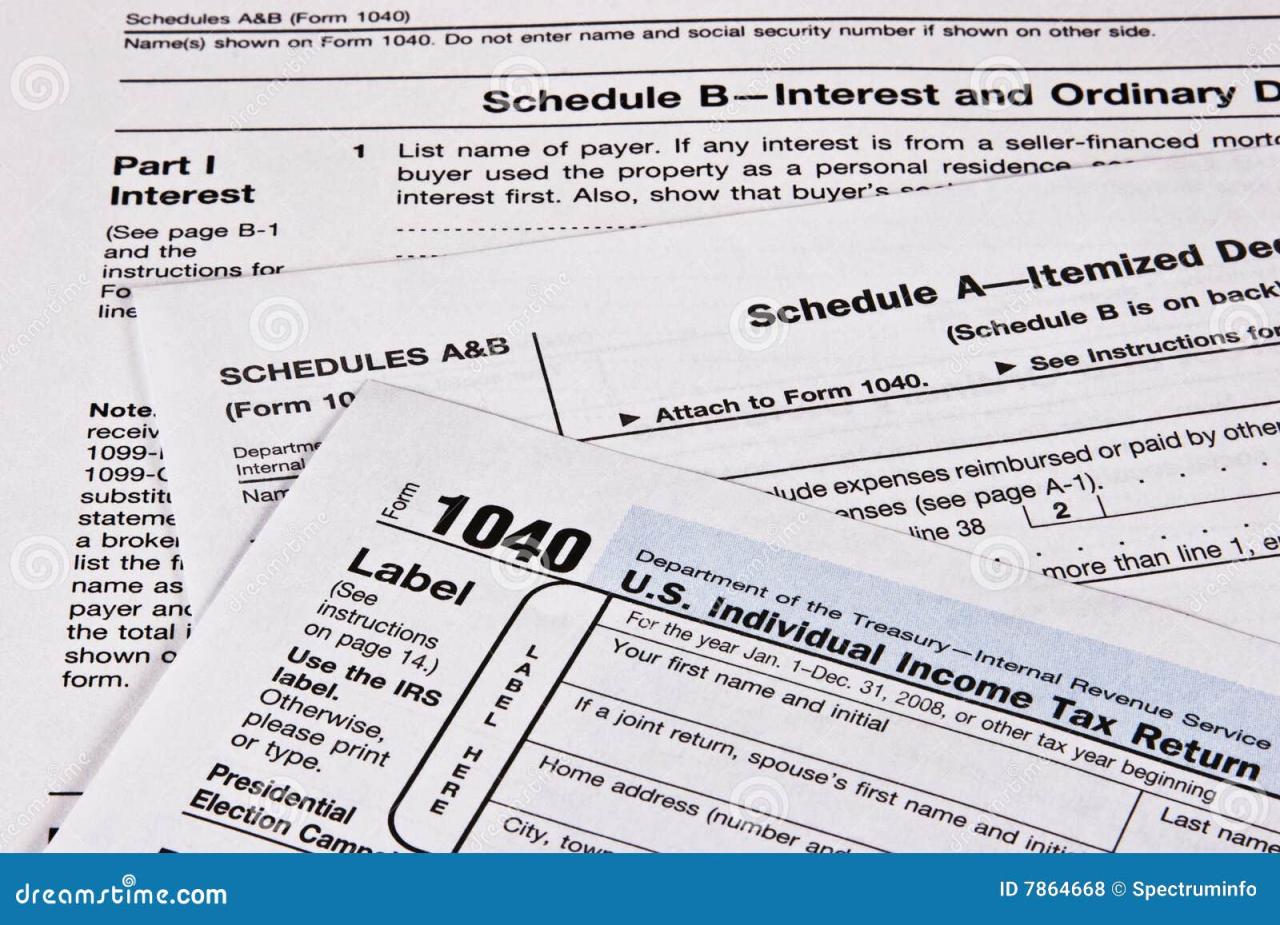
Filing taxes is a serious endeavor, and despite our best efforts, mistakes can happen. When errors or changes arise after submitting your tax return, amending it becomes essential to ensure accuracy and compliance. This process not only corrects any misstatements but can also lead to potential refunds or adjustments in tax liabilities, depending on the nature of the amendment.
The process of filing an amended tax return typically involves completing IRS Form 1040-X, which is specifically designed for this purpose. Taxpayers should file an amendment if they discover inaccuracies in their original return, such as incorrect income reporting, overlooked deductions, or changes in filing status. Amendments can also be necessary if you receive additional forms after your return has been submitted, such as a corrected W-2 or a 1099.
Circumstances that warrant an amendment
Several common mistakes may require taxpayers to submit an amended return. Recognizing these errors is crucial for maintaining accurate tax records. Below are some scenarios that often necessitate a filing for an amendment:
- Incorrect filing status: If you initially filed as single but later determine you should have filed as head of household, an amendment is required.
- Omitted income: Failing to report income from freelance work or interest can affect your tax liability and requires correction.
- Errors in deductions or credits: Missing out on valid deductions or credits, like education expenses or child tax credits, can be amended to maximize your refund.
- Changes in dependent claims: If you incorrectly claimed a dependent who is not eligible, or conversely, if you forgot to claim a legitimate dependent, an amendment is necessary.
The timeline for processing amended returns can vary significantly. Generally, the IRS states that it may take up to 16 weeks to process Form 1040-X. Taxpayers should be patient and check the status of their amended return through the IRS website. It’s essential to note that filing an amendment may also have implications on various aspects of your tax situation. For example, if your changes result in an increased tax liability, you may incur penalties or interest on the additional owed amount.
“An amendment is not just about correcting mistakes; it’s about ensuring your tax record is accurate and reflects your true financial situation.”
Tax return deadlines are critical dates that every taxpayer must adhere to.
Tax return deadlines are essential benchmarks in the annual tax cycle that every taxpayer should prioritize. Missing these deadlines can lead to various complications, including penalties and increased stress. Understanding when these deadlines occur is crucial for effective tax planning and compliance.
Key tax return deadlines for individual taxpayers
The tax year typically aligns with the calendar year, which makes keeping track of deadlines easier. Here are the key dates that individual taxpayers should be aware of regarding tax returns, estimated payments, and extensions:
- April 15: This is the standard deadline for filing individual income tax returns (Form 1040) for the previous year. If April 15 falls on a weekend or holiday, the deadline is extended to the next business day.
- April 15: Last day to pay any taxes owed for the previous year without incurring penalties and interest.
- June 15: For U.S. citizens and residents who live abroad, this is the extended deadline for filing tax returns. However, any taxes owed must be paid by April 15.
- October 15: This is the final deadline to file tax returns if an extension was granted (Form 4868). Again, taxes owed must be paid by April 15 to avoid penalties.
- Quarterly estimated tax payments: These payments are due on the 15th of April, June, September, and January of the following year. Estimated payments are required if you expect to owe $1,000 or more in taxes when you file your return.
Consequences of missing tax return deadlines
Failing to meet tax return deadlines can lead to serious repercussions. It’s essential to understand the potential outcomes of late submissions.
Missing the tax return deadline may result in penalties, interest on unpaid taxes, and an increased risk of audits.
The penalties for late filing and late payments can accumulate quickly. If you file your tax return more than 60 days after the due date, the minimum penalty is the lesser of $435 or 100% of the unpaid tax. Additionally, interest on any unpaid taxes continues to accrue until the total amount is settled.
Strategies for staying on track with tax deadlines
Having a proactive approach can significantly reduce the chances of missing tax deadlines. Here are some practical strategies:
- Create a tax calendar: Mark all relevant tax deadlines and reminders on a calendar. Use digital calendar apps that can send alerts as deadlines approach.
- Document throughout the year: Maintain organized records of income, deductions, and receipts as they occur, which simplifies preparation when deadlines approach.
- Consult a tax professional: If your tax situation is complex, working with a CPA or tax advisor can ensure you are aware of all deadlines and decreases the chance of missing them.
- Use tax software: Many tax preparation software options include reminders for deadlines and provide a structured approach to filing.
- Set aside funds regularly: Allocate a portion of your income regularly for tax payments to avoid financial strain when deadlines arrive.
Ending Remarks
In conclusion, mastering the intricacies of tax returns can empower taxpayers to make informed decisions, ultimately reducing their tax liabilities and enhancing financial wellness. By staying organized and aware of deadlines, taxpayers can avoid common pitfalls and even take advantage of beneficial deductions and credits.
FAQ Corner
What is a tax return?
A tax return is a form submitted to tax authorities, detailing income, expenses, and other relevant financial information to determine tax liability.
When is the deadline for filing a tax return?
Typically, tax returns are due on April 15th each year, though this date may vary in certain circumstances.
Can I file my tax return late?
Yes, you can file late, but there may be penalties and interest on any taxes owed.
What happens if I make a mistake on my tax return?
If you find an error, you can file an amended tax return to correct it, but do so promptly to avoid penalties.
How can I track my tax return status?
You can check the status of your tax return through the IRS website or your local tax authority’s portal.
Are tax returns the same for individuals and businesses?
No, while both require reporting income and deductions, business returns often involve additional forms and specific deductions related to business activities.