 Phoebe Lydia
Tax exemption is a fascinating area of financial planning that offers individuals and organizations the opportunity to minimize their tax liabilities. By understanding how tax exemptions work, one can navigate the complexities of tax laws and optimize their financial strategies. Tax exemptions can significantly impact financial health, allowing non-profit organizations to allocate more resources towards their missions and individuals to retain more of their earnings.
This concept varies widely across jurisdictions, making it essential to grasp the legal foundations and types of exemptions available. From charitable organizations receiving special considerations to specific income brackets being eligible for exemptions, the landscape is diverse. Moreover, the application process, eligibility criteria, and potential consequences of losing tax-exempt status are critical components to comprehend for effective financial planning.
Understanding the Concept of Tax Exemption
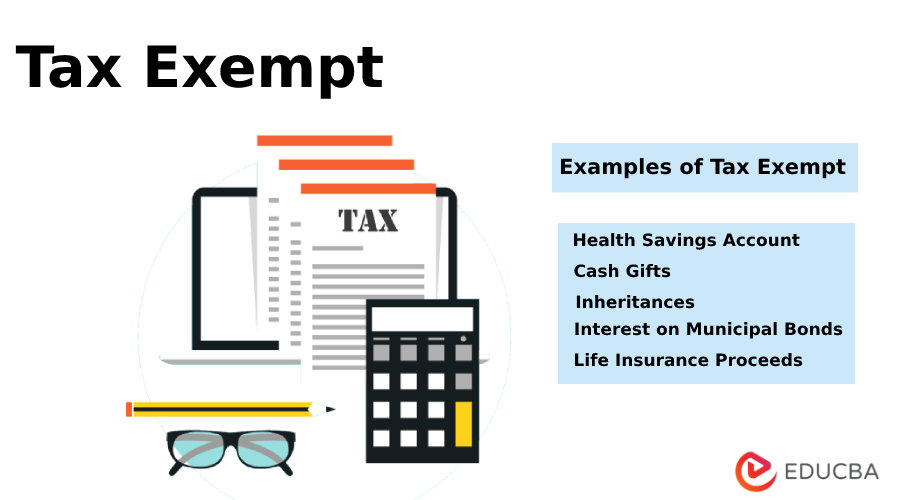
Tax exemption serves as a crucial component in the financial landscape, allowing individuals and organizations to reduce their taxable income or eliminate certain taxes altogether. This mechanism not only fosters economic activity but also promotes specific social and governmental objectives. By understanding tax exemptions, taxpayers can make informed decisions that optimize their tax liabilities and enhance their overall financial planning.
The fundamental principles of tax exemption revolve around the idea of relieving certain individuals or entities from the burden of taxation based on their status, purpose, or the nature of their income. Tax exemptions can be particularly significant for non-profit organizations, charities, and specific groups like seniors or veterans, enabling them to allocate more resources towards their activities rather than towards tax payments. Moreover, these exemptions can stimulate economic growth by encouraging investment in specific sectors, such as education, healthcare, and renewable energy.
Types of Tax Exemptions
Tax exemptions vary widely across jurisdictions and can be classified into several categories. Understanding these types is essential for effective financial planning.
- Personal Exemptions: These exemptions reduce the taxable income of individuals based on specific criteria, such as filing status, age, and dependent status. For instance, in the United States, taxpayers can claim personal exemptions for themselves, their spouses, and their dependents.
- Corporate Exemptions: Certain businesses may qualify for tax-exempt status, particularly non-profit organizations. For example, non-profits in the U.S. can apply for 501(c)(3) status, which exempts them from federal income tax.
- Property Exemptions: Many jurisdictions offer property tax exemptions for certain groups, such as disabled individuals or veterans. For example, in various states, veterans might be eligible for property tax relief, significantly reducing their financial burden.
- Sales Tax Exemptions: Various states offer exemptions on sales tax for specific goods or services, such as food and prescription medications, to alleviate the financial strain on consumers.
Tax exemptions are legally supported by legislation that varies in different countries. Governments establish these laws to encourage social welfare, support economic development, and promote charitable activities. For instance, in the U.S., the Internal Revenue Code provides the framework for determining eligibility for different types of tax exemptions. In the United Kingdom, charities enjoy tax relief under the Charities Act, which Artikels the criteria for tax-exempt organizations. Such legal provisions reflect the intent of governments to incentivize certain behaviors and support targeted economic activities while ensuring compliance with tax regulations.
Eligibility Criteria for Tax Exemptions
In order to qualify for tax exemptions, both individuals and organizations must meet specific criteria established by tax authorities. Understanding these criteria is essential for those seeking to benefit from reduced tax liabilities. The eligibility criteria can vary widely depending on the entity’s nature and income level, impacting their chances of receiving exemptions.
Income level and the type of organization play significant roles in determining eligibility for tax exemptions. Generally, non-profit organizations, charities, and certain educational institutions are more likely to qualify due to their contributions to societal welfare. On the other hand, individuals may qualify based on specific income thresholds or circumstances that justify a reduction in tax obligations.
Main Eligibility Criteria
To provide a clearer understanding, here are three main eligibility criteria for tax exemptions:
- Organizational Purpose: Organizations must operate for recognized purposes such as charitable, religious, or educational activities. For instance, a non-profit dedicated to environmental conservation may qualify for tax exemption as it serves the public interest.
- Income Level: Individuals with lower income levels may qualify for tax exemptions based on their financial situation. For example, people below a certain income threshold may be eligible for tax credits that reduce their taxable income.
- Compliance with Regulations: Both individuals and organizations must comply with specific regulatory requirements to maintain their tax-exempt status. This includes filing necessary paperwork and adhering to operational guidelines set by tax authorities.
The influence of income level on tax exemption eligibility is profound. For individuals, higher income typically leads to a higher tax burden, making exemptions more crucial for those with limited financial resources. Organizations, particularly non-profits, must demonstrate that their income is primarily directed towards their mission rather than personal profit.
Common qualifying entities for tax exemptions include:
- Charitable organizations, such as food banks and shelters, that operate for the public good.
- Religious institutions, including churches and mosques, that contribute to community welfare.
- Educational institutions, such as non-profit schools and universities, that promote learning without profit motives.
Understanding the criteria for tax exemptions is vital for both individuals and organizations to effectively manage their tax liabilities and contribute positively to society.
The Application Process for Tax Exemption
Applying for tax exemption status can be a crucial step for organizations seeking financial relief and operational growth. This process requires careful attention to detail and an understanding of the specific requirements set forth by tax authorities. A successful application can result in significant savings and benefits, making it essential for applicants to navigate the steps meticulously.
The application process for tax exemption involves several well-defined steps to ensure that all requirements are adequately met. Below is a comprehensive Artikel of the procedure, followed by a table that highlights the necessary documentation, submission methods, processing times, and potential challenges that applicants may face.
Step-by-step Procedure
The process of applying for tax exemption typically includes the following steps:
1. Determine Eligibility: Ensure that your organization qualifies for tax-exempt status based on the criteria set by the relevant tax authority.
2. Gather Required Documentation: Collect all necessary documents that substantiate your claim for tax exemption.
3. Complete Application Forms: Fill out the specific forms required for tax exemption, ensuring accuracy and completeness.
4. Submit the Application: Send the application and supporting documents to the designated tax authority through the appropriate channels.
5. Await Processing: Allow time for the tax authority to review and process your application.
6. Follow Up: After submission, it is critical to monitor the status of your application effectively.
To aid in understanding the requirements and processes involved, the following table Artikels key aspects of the application:
| Necessary Documents | Submission Methods | Processing Times | Potential Challenges |
|---|---|---|---|
| Organizational bylaws, financial statements, and IRS Form 1023 | Online submission through the tax authority’s portal or by mail | Typically 3 to 6 months, varying by jurisdiction | Incomplete documentation or failure to meet eligibility criteria |
| Tax identification number and mission statement | In-person submission at local tax office may also be an option | Expedited processing may be available for an additional fee | Delays due to backlogs or requests for additional information |
| Detailed budget plans and operational plans | Email submission where allowed | Some applications may take longer depending on complexity | Lack of clarity in mission or financials leading to rejection |
| Proof of charitable activities and community impact evidence | Certified mail for important documents | Notification timelines can vary widely | Misinterpretation of tax laws affecting application outcomes |
Effective follow-up on an application for tax exemption status is essential to ensure that it is moving through the review process smoothly. It is advisable to keep a record of submission dates and to contact the tax authority periodically for updates.
Maintaining a polite and professional tone while inquiring about the status can help foster a good relationship with the tax authority.
Establishing a point of contact within the tax office can also be beneficial. This allows applicants to address any questions or concerns directly and expedites the response process. Keeping copies of all communications and confirmations is crucial for reference and accountability.
Tax Exemption for Non-Profit Organizations
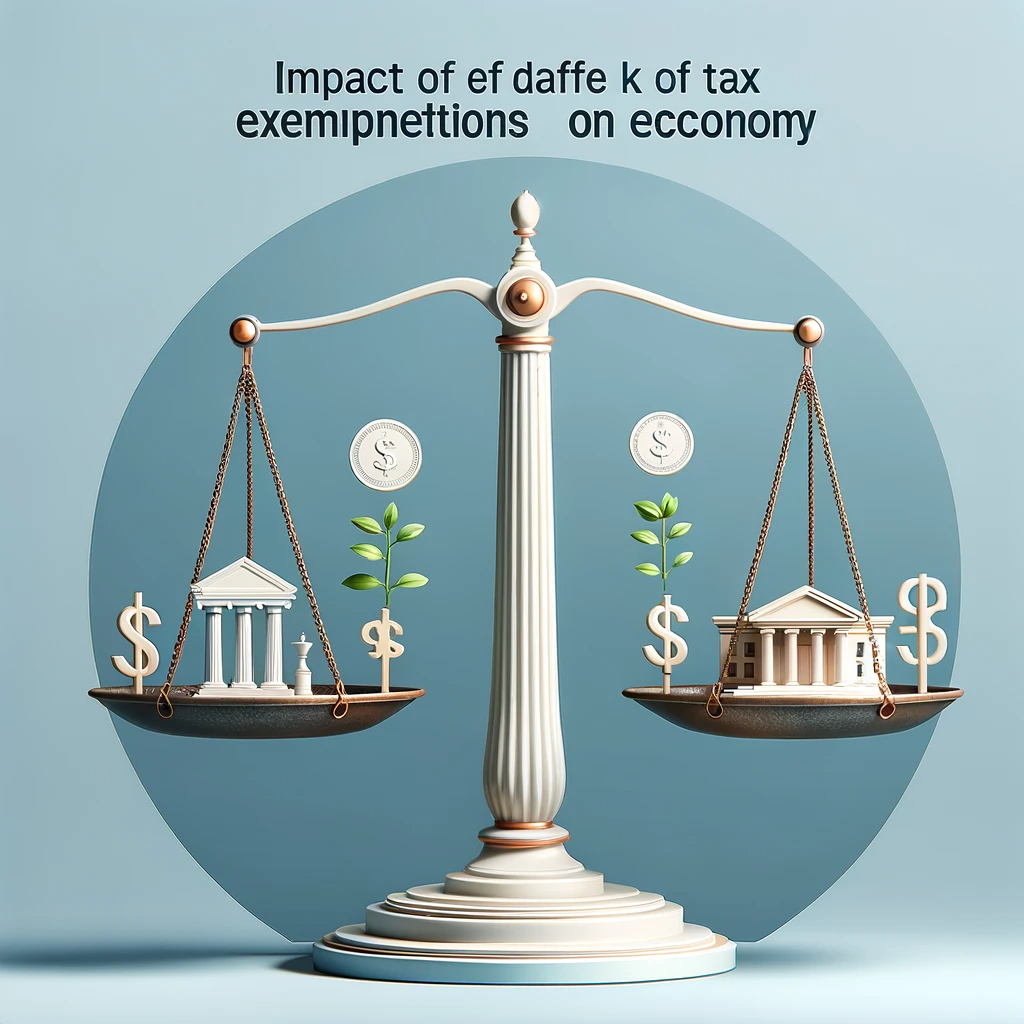
Tax exemption plays a crucial role in the operational framework of non-profit organizations. These exemptions not only provide financial relief but also enhance the capacity of organizations to fulfill their missions. By understanding the specifics of tax exemption, non-profits can ensure compliance and significantly boost their fundraising efforts.
Non-profit organizations often qualify for various tax exemptions under the Internal Revenue Code, primarily under Section 501(c)(3). This section grants tax-exempt status to organizations that operate for charitable, religious, educational, or scientific purposes. To maintain this status, non-profits must adhere to specific requirements, such as ensuring that the majority of their income is not derived from unrelated business activities and that they do not engage in political campaigning. Regular filing of Form 990 is also essential to demonstrate transparency and compliance with federal laws.
Types of Tax Exemptions and Requirements
Understanding the specific tax exemptions available can empower non-profits to maximize their operational effectiveness. Here are the primary exemptions typically accessible to non-profit organizations, along with their corresponding requirements:
- Income Tax Exemption: Non-profits are exempt from federal income tax, provided they meet the criteria set forth by the IRS. This exemption allows organizations to allocate more resources towards their mission-driven activities.
- Sales Tax Exemption: Many states offer sales tax exemptions for purchases made by non-profit organizations, reducing operational costs significantly. This exemption requires the organizations to present proof of their tax-exempt status during transactions.
- Property Tax Exemption: Some local governments provide property tax exemptions for non-profits that operate on their premises, enabling them to invest savings back into their community services. To qualify, non-profits must demonstrate that the property is used exclusively for charitable purposes.
“Tax exemption allows non-profits to redirect funds into their mission, enhancing community impact.”
Examples of popular non-profit organizations that utilize tax exemptions effectively include the American Red Cross and the World Wildlife Fund. These organizations, through their tax-exempt status, can maximize resources for disaster relief, conservation efforts, and public education campaigns. The financial flexibility gained from these exemptions allows them to reach a broader audience and enhance their service delivery.
Leveraging Tax Exemption for Fundraising Strategies
Non-profit organizations can strategically leverage their tax-exempt status to enhance fundraising efforts. This approach not only attracts donors but also fosters long-term relationships with supporters. Here are several strategies non-profits can employ:
- Promotion of Tax-Deductible Donations: Highlighting that contributions are tax-deductible can incentivize donors to give more generously, as they can reduce their taxable income.
- Matching Gift Programs: Many companies offer matching gift programs that double the impact of employee donations. Non-profits can encourage participation by informing donors about these opportunities and guiding them on how to take advantage of them.
- Grant Applications: Tax-exempt status can enhance a non-profit’s eligibility for various grants. Organizations should actively seek out grant opportunities and tailor applications to emphasize their mission and impact.
By utilizing their tax-exempt status effectively, non-profits can establish sustainable funding streams that support their missions and foster a culture of philanthropy within their communities.
Consequences of Losing Tax Exempt Status
Losing tax-exempt status can have significant repercussions for organizations that rely on this designation to operate effectively. Tax-exempt entities, such as charities and nonprofits, enjoy various benefits, including exemption from federal income tax and the ability to receive tax-deductible contributions. When this status is revoked, the financial stability and operational capacity of the organization may be severely impacted.
The potential consequences for organizations that lose their tax-exempt status can be dire. First, they may face immediate tax liabilities on income earned in the past, which can lead to substantial financial burdens. Additionally, without tax-exempt status, organizations may struggle to attract donations, as donors often prefer to contribute to entities that provide them with tax benefits. This loss of funding can hinder programs and initiatives, leading to potential layoffs or program cuts. Furthermore, the organization may lose credibility and public trust, which are vital for sustaining operations and community support.
Common Reasons for Revocation and Prevention Strategies
Understanding the common reasons for revocation can help organizations take proactive steps to maintain their tax-exempt status. Revocation often occurs due to failure to comply with filing requirements, such as not submitting Form 990, which provides the IRS with annual financial information. In addition, organizations may lose their status for engaging in prohibited activities, such as excessive lobbying or unrelated business income that exceeds allowable limits.
To prevent revocation, organizations should implement robust compliance protocols, including:
- Regularly review financial records to ensure accurate reporting and adherence to IRS guidelines.
- Maintain transparency with stakeholders by consistently filing required documents on time.
- Educate staff and board members on tax-exempt regulations and the importance of compliance.
- Limit lobbying activities to stay within safe harbor thresholds, focusing primarily on charitable purposes.
In the unfortunate event that an organization’s tax-exempt status is revoked, it is crucial to act swiftly. The following actions should be considered:
- Review the IRS revocation notice to understand the reasons behind the decision.
- Gather all necessary documentation and financial records to address the issues raised.
- Consider filing an appeal if grounds exist, which can involve submitting a written request to the IRS.
- Consult with a tax professional to explore options and develop a plan for reapplying for tax-exempt status.
It is vital for organizations to understand the implications of losing tax-exempt status and to take proactive measures to ensure compliance and sustainability.
International Perspectives on Tax Exemption
Tax exemption policies vary significantly across countries, each reflecting unique economic strategies and social priorities. Understanding these different approaches reveals how nations incentivize various sectors, attract foreign investment, and comply with international regulations. This comparison highlights the implications for global businesses and the impact on international trade agreements.
Country Comparisons: Tax Exemption Approaches
A closer look at the tax exemption strategies of the United States, Germany, and Singapore showcases varying philosophies that shape their economic landscapes.
- United States: The U.S. offers numerous tax exemptions at both federal and state levels, particularly for non-profit organizations and certain industries such as renewable energy. The Internal Revenue Service (IRS) provides 501(c)(3) status, allowing qualifying entities to be exempt from federal income tax. This encourages charitable contributions and supports sectors deemed socially beneficial.
- Germany: In Germany, tax exemptions are primarily seen in the realm of value-added tax (VAT) for specific goods and services. For instance, many educational services and medical supplies are exempt to promote public welfare. Additionally, Germany employs tax incentives for research and development, aimed at driving innovation within its economy.
- Singapore: Singapore adopts a strategic approach by offering wide-ranging tax exemptions to attract foreign investments. The country provides corporate tax incentives for businesses in the technology and finance sectors, enhancing its reputation as a global financial hub. Notably, Singapore’s absence of capital gains tax further solidifies its appeal to international investors.
Implications of International Tax Exemption Policies
International tax exemption policies significantly affect global businesses by shaping operational strategies, influencing location decisions, and affecting competitive advantages. Understanding these implications is crucial for companies looking to expand or operate across borders.
“Tax exemptions can serve as powerful tools for governments to stimulate economic activity and attract foreign direct investment.”
Various factors influence how businesses adapt to these policies:
- Strategic Location: Countries with favorable tax exemption policies often attract multinational corporations looking to optimize their tax liabilities while benefiting from local markets.
- Compliance Costs: Companies must navigate different regulatory environments, which can increase compliance costs and complexity when implementing tax strategies across multiple jurisdictions.
- Competitive Landscape: Favorable tax exemption policies can create disparities in competition, giving certain countries or businesses a significant edge over others in the global market.
Influence on International Trade Agreements
Tax exemptions play a crucial role in shaping international trade agreements. Countries often negotiate terms that include provisions for tax benefits, aiming to enhance trade relations and economic cooperation.
“Tax exemptions can facilitate smoother trade by reducing barriers and promoting economic partnerships between countries.”
Several aspects highlight how tax exemptions influence these agreements:
- Negotiation Leverage: Nations may use tax exemptions as leverage in negotiations, offering incentives to encourage trade partnerships or investment agreements that benefit both parties.
- Market Access: By aligning tax exemption policies with trade agreements, countries can improve market access for exporters and create favorable conditions for importers, fostering bilateral trade.
- Regulatory Harmonization: Tax exemptions in trade agreements often lead to discussions about harmonizing tax regulations, which can simplify cross-border transactions and enhance compliance efficiencies.
The Future of Tax Exemptions in a Changing Economy
As we look towards the next decade, the landscape of tax exemption policies is poised for significant evolution. With a rapidly changing economy, influenced by various trends and technological advancements, the way tax exemptions are granted and managed will undoubtedly be transformed. These changes will reflect not only shifts in economic priorities but also a growing need for governments to adapt to new fiscal realities.
Technological advancements and economic shifts are reshaping the framework for tax exemptions. The rise of digital currencies, for instance, presents both challenges and opportunities for tax policy. As more transactions move online, traditional methods of taxation might need reevaluation. Additionally, the increasing use of data analytics in tax administration could lead to more efficient monitoring and compliance. This technological evolution is likely to implement reforms that enhance transparency and accountability in tax exemption practices.
Trends Affecting Tax Exemption Policies
Several trends are likely to influence tax exemption policies in the upcoming years. Understanding these trends is vital for stakeholders to navigate the potential reforms effectively.
- Increased Transparency and Accountability: Governments are under pressure to ensure that tax exemptions are granted based on merit and that beneficiaries are held accountable for utilizing exemptions as intended.
- Globalization of Trade: As markets become more interconnected, tax policies will need to consider international agreements and frameworks to avoid double taxation and ensure fair competition.
- Focus on Environmental Sustainability: With a growing emphasis on sustainable practices, tax exemptions may increasingly be tied to environmental initiatives, incentivizing businesses to adopt greener technologies.
- Digital Economy Expansion: The prevalence of digital platforms necessitates a rethinking of tax exemption policies to encompass new business models, ensuring that they remain relevant and effective.
- Workforce Changes: As remote working becomes normalized, tax exemptions may need to adapt to new economic realities affecting employment and business operations.
“The intersection of technology and tax policy will define the future of tax exemptions, necessitating agility from policymakers and stakeholders alike.”
In conclusion, as tax exemption policies evolve, stakeholders must remain vigilant and adaptable to the changes brought about by these emerging trends. Each reform will likely carry implications that extend beyond traditional boundaries, impacting a wide variety of sectors and communities.
Outcome Summary
In conclusion, understanding tax exemption is crucial for both individuals and organizations aiming to maximize their financial resources. The implications of tax exemptions extend beyond mere savings; they play a significant role in supporting societal functions through non-profits and influencing international trade agreements. As policies evolve with shifting economic landscapes, staying informed about tax exemption trends will be essential for proactive financial management.
FAQ Resource
What is the main purpose of tax exemption?
Tax exemption aims to reduce tax liabilities for individuals or organizations to encourage specific behaviors, such as charitable giving or investments in certain sectors.
How can I find out if I qualify for a tax exemption?
You can determine qualification by checking the specific eligibility criteria set by your local tax authorities or consulting a tax professional.
Are all non-profit organizations automatically tax-exempt?
No, not all non-profits are automatically tax-exempt; they must apply for and maintain their exempt status according to legal requirements.
What happens if I miss the application deadline for tax exemption?
If you miss the deadline, you may need to wait until the next application period or appeal for an extension, depending on your jurisdiction’s rules.
Can tax exemption statuses be revoked?
Yes, tax exemption statuses can be revoked if organizations fail to meet certain criteria or comply with regulations, leading to potential tax liabilities.