 Phoebe Lydia
Business tax advice plays a pivotal role in the success of startups and small businesses alike, acting as a guiding light through the often complex world of taxation. Understanding tax obligations is more than just legal compliance; it can significantly influence the financial health of a nascent enterprise. As new entrepreneurs embark on their journeys, they encounter numerous tax-related challenges that can lead to costly mistakes if not navigated carefully.
From the myths surrounding tax deductions to the impact of various business structures, having a solid grasp of these concepts is essential. Taking advantage of available tax deductions, comprehending the nuances of tax credits, and being aware of recent tax law changes are crucial steps in fostering sustainable growth. This discussion delves into the importance of effective tax planning strategies and emphasizes how hiring professional tax advisors can lead to long-term financial benefits.
Business tax advice for startups is crucial for long-term success.
Understanding tax obligations is a fundamental aspect of launching and sustaining a startup. Many new entrepreneurs underestimate the importance of tax planning, which can lead to significant repercussions, including penalties and lost opportunities for deductions. For startups, being aware of tax responsibilities not only ensures compliance but also helps in budgeting and forecasting financial health. This awareness can lead to informed decisions that contribute to the long-term success of the business.
When starting a business, there are several common misconceptions that can hinder the entrepreneurial journey. Many believe that as a new business, they won’t owe taxes until they start making a profit, which is misleading. In reality, tax obligations can arise from various business activities, even if the company isn’t profitable yet. Another misconception is that all expenses can be immediately deducted. However, the IRS has specific guidelines on which expenses are deductible and when they can be applied.
As startups navigate the landscape of business taxes, it is crucial to identify tax deductions that can significantly alleviate financial burdens. Understanding and leveraging these deductions can provide startups with a financial cushion and reinvestment opportunities.
Some common tax deductions available to startups include:
- Startup Costs: Up to $5,000 in startup costs can be deducted in the first year, including expenses incurred for market research, advertising, and other preliminary activities.
- Home Office Deduction: Entrepreneurs operating from home may qualify for deductions related to the portion of their home used exclusively for business, covering utilities, rent, or mortgage interest.
- Business Equipment: Costs associated with purchasing necessary equipment, such as computers and machinery, may be fully deducted in the year of purchase under Section 179.
- Professional Services: Fees paid for legal, consulting, or accounting services directly related to business operations can also be deducted.
Taking advantage of these deductions not only reduces taxable income but also boosts cash flow, allowing startups to reinvest in growth and innovation. Awareness of these tax advantages can provide a significant competitive edge in today’s fast-paced business environment.
Effective tax planning strategies can significantly reduce tax liabilities.
Effective tax planning is crucial for small businesses as it helps in managing their fiscal responsibilities while maximizing profitability. By implementing thoughtful strategies, small enterprises can take advantage of various tax benefits available to them. Understanding these strategies not only aids in compliance with tax regulations but also enhances the overall financial health of the business.
Short-term versus long-term tax planning approaches
When considering tax planning strategies, it’s essential to differentiate between short-term and long-term approaches. Short-term planning typically focuses on immediate tax savings, often using deductions and credits available for the current fiscal year. On the other hand, long-term planning involves strategies that take effect over several years, such as investment in assets or retirement plans that yield tax benefits in the future.
Short-term strategies can include deductions for business expenses like office supplies or mileage. These actions can provide quick relief during tax season but may not contribute to sustainable growth. Long-term strategies, such as establishing a retirement plan, can reduce taxable income for years to come while also contributing to employee satisfaction and retention.
Tax planning strategies for small businesses
Several effective tax planning strategies can significantly lower tax liabilities for small businesses. These strategies not only help in minimizing the overall tax burden but also promote sound financial management practices.
- Maximize Deductions: Small businesses can take advantage of numerous deductions that can lower taxable income. This includes costs related to the business such as rent, utilities, and employee salaries. By meticulously tracking these expenses, businesses can ensure they are claiming all eligible deductions.
- Utilize Tax Credits: Tax credits directly reduce the amount of tax owed and can be more beneficial than deductions. Examples include credits for hiring veterans or for utilizing renewable energy sources.
- Choose the Right Business Structure: The choice of business structure—whether sole proprietorship, LLC, or corporation—can have significant tax implications. Each structure comes with different tax obligations and benefits, so it is vital to select the one that aligns with the business’s financial goals.
- Defer Income: Small businesses can consider deferring income to a later tax year if they anticipate being in a lower tax bracket in the future. This strategy allows businesses to defer tax payments and can be beneficial for cash flow management.
- Invest in Retirement Plans: Establishing a retirement plan not only prepares employees for the future but also allows business owners to make tax-deductible contributions, which can reduce taxable income significantly.
Methods for tracking expenses to maximize deductions
Accurate expense tracking is vital for any small business aiming to maximize tax deductions. Implementing organized systems for record-keeping can yield significant tax benefits.
Utilizing accounting software can simplify the tracking of expenses by categorizing them effectively, ensuring no deduction is overlooked. Regularly updating financial records, ideally on a weekly basis, can provide ongoing insights and allow for real-time adjustments.
“Maintaining meticulous records is the backbone of effective tax planning.”
Another effective method is utilizing receipts and invoices. Digital tools can help scan and save these documents, minimizing the risk of losing important information during tax season. Regular financial reviews can also help identify potential deductions that may have been missed.
In summary, small businesses that engage in effective tax planning through a combination of short-term and long-term strategies, along with diligent expense tracking, can significantly reduce their tax liabilities while fostering a healthier financial future.
Understanding the different types of business structures can impact taxes.

Choosing the right business structure is crucial not only for legal protection but also for how taxes are handled. Different entities have unique tax responsibilities that can significantly impact a business’s bottom line. Understanding these distinctions helps business owners make informed decisions about their operations and financial strategies.
The three primary business structures—Sole Proprietorship, Limited Liability Company (LLC), and Corporation—differ greatly in their tax implications. A Sole Proprietorship is the simplest form and involves a single owner who reports business income on their personal tax return. This means profits are taxed at the owner’s individual income tax rate, which can be beneficial for small businesses with lower incomes but can lead to higher tax liabilities for larger profits.
An LLC offers the benefit of limited liability protection while allowing for flexibility in taxation. By default, an LLC is treated as a pass-through entity, meaning profits and losses pass through to the owners’ personal tax returns. However, LLCs can also opt to be taxed as a corporation, which may offer certain tax advantages depending on the situation. This flexibility can be advantageous for owners looking to optimize their tax obligations.
On the other hand, Corporations are subject to double taxation—once at the corporate level and again when dividends are distributed to shareholders. However, corporations can benefit from lower tax rates on retained earnings and can deduct certain expenses that pass-through entities cannot. While this structure can lead to higher initial tax obligations, the potential for reinvestment into the business can make it a strong choice for some entrepreneurs.
Tax advantages and disadvantages of business structures
Each business structure has its own set of tax advantages and disadvantages that can affect business decisions. The following points summarize key aspects to consider:
- Sole Proprietorship:
- Advantage: Simplicity in tax filing; profits taxed only once at individual rates.
- Disadvantage: Unlimited personal liability; higher personal tax rates for larger profits.
- LLC:
- Advantage: Limited liability protects personal assets; flexibility in taxation options.
- Disadvantage: Self-employment taxes on profits; potential for higher administrative costs.
- Corporation:
- Advantage: Potential for lower tax rates on retained earnings; ability to raise capital through stock sales.
- Disadvantage: Double taxation on dividends; more complex compliance and regulatory requirements.
Understanding these implications can help business owners select the most advantageous structure for their specific needs and long-term goals.
| Business Structure | Tax Treatment | Tax Advantages | Tax Disadvantages |
|---|---|---|---|
| Sole Proprietorship | Pass-through entity | Simple tax filing; taxed only once | Unlimited personal liability; high tax rates for larger profits |
| LLC | Pass-through or corporate taxation | Limited liability; flexible taxation options | Self-employment taxes; administrative costs |
| Corporation | Double taxation | Lower tax rates on retained earnings | Double taxation; complex regulations |
Choosing a business structure is about more than just taxes; it impacts liability, business operations, and how profits are ultimately distributed. Each structure has its distinct characteristics, and consulting with a tax professional can ensure that your selection aligns with both your short-term needs and long-term ambitions.
Tax credits versus tax deductions can influence overall tax savings.
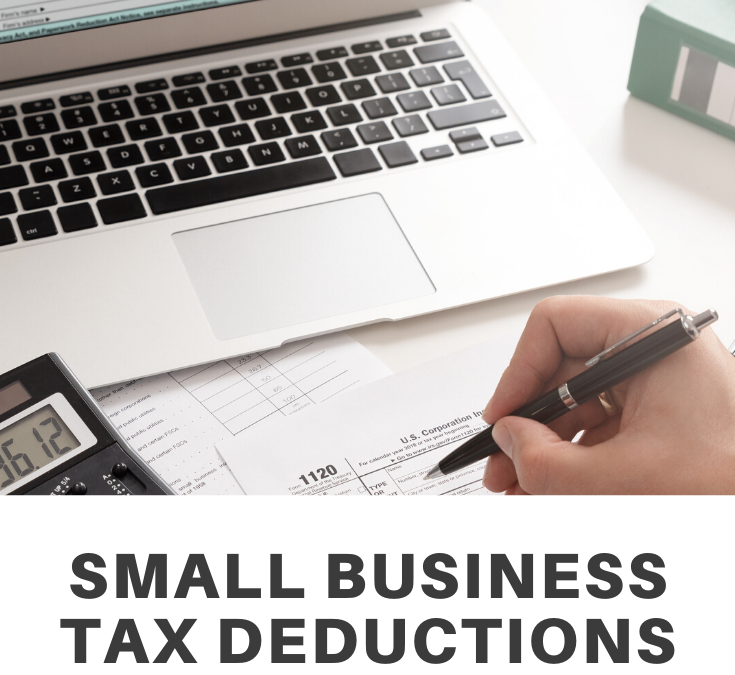
Understanding the distinction between tax credits and tax deductions is vital for maximizing tax savings for businesses. While both contribute to lowering tax liabilities, they operate in different ways. Tax deductions reduce the amount of taxable income, thereby lowering the overall tax burden. For instance, if your business earns $100,000 and has $20,000 in deductions, you’re taxed only on $80,000. In contrast, tax credits provide a direct reduction in the tax owed. If you owe $10,000 in taxes and qualify for a $2,000 tax credit, your total tax liability is reduced to $8,000.
Specific tax credits available to businesses
Various tax credits are designed to incentivize specific business activities or investments. Notable examples include the Work Opportunity Tax Credit (WOTC), which rewards businesses for hiring individuals from certain target groups facing barriers to employment. To qualify, employers must complete and submit IRS Form 8850 to signify their eligibility within 28 days of the hire date.
Additionally, the Research and Development (R&D) Tax Credit can benefit businesses that engage in qualifying research activities. Companies can claim this credit based on eligible expenses incurred during R&D projects, which can significantly offset tax liabilities.
Common tax deductions for businesses
Understanding common tax deductions is crucial for optimizing your business’s tax strategy. These deductions can yield significant savings and include:
- Business travel expenses, including transportation and lodging.
- Home office expenses, which can help remote workers deduct a portion of their home costs.
- Employee salaries and wages, allowing businesses to deduct payroll expenses.
- Depreciation on business assets, such as equipment and vehicles, which spreads the cost over their useful life.
- Utilities and rent for business premises, which are fully deductible if related to business operations.
- Advertising and marketing costs, including online ads and print materials.
- Professional services, such as legal and consulting fees that support business operations.
Tax credits and deductions should be strategically utilized to enhance overall financial health and ensure compliance with changing tax regulations.
Navigating sales tax compliance is essential for retail businesses.
For retail businesses, navigating the complexities of sales tax compliance is critical. As states continue to implement changes in their sales tax laws, it’s important for businesses to stay informed and ensure they are fulfilling their tax obligations. This is especially relevant in an era where e-commerce has drastically changed the landscape of retail. Understanding the specific requirements for sales tax collection across different states, and how to manage these obligations effectively, is vital for maintaining compliance and avoiding penalties.
Sales tax collection requirements can differ significantly from one state to another. Each state has its own rules regarding tax rates, what items are taxable, and exemption criteria. Below are essential considerations regarding these requirements:
Sales Tax Collection Requirements by State
Each state mandates that businesses collect sales tax on taxable sales, but the specifics can vary. It’s critical for retail businesses to know the following:
- Tax Rates: States have different sales tax rates, and many local jurisdictions impose additional taxes. For instance, California has a base sales tax rate of 7.25%, but local districts may add on as much as 2.5%, making the total as high as 9.75% in some areas.
- Taxable Goods and Services: Some items are universally taxable, while others may vary by state. For example, clothing is exempt in New York but taxable in California. Understanding what is taxable in your state is essential for compliance.
- Registration Requirements: Retailers must register to collect sales tax in states where they have a tax obligation. States like Texas and Florida require businesses to register before making sales, while others may allow a grace period.
- Exemptions and Certificates: Certain purchases may be exempt from sales tax. Businesses need to obtain and maintain exemption certificates from customers to document these transactions.
- Filing Frequencies: Depending on sales volume, states may require monthly, quarterly, or annual filings. For instance, New Jersey requires monthly filings for businesses exceeding $30,000 in taxable sales.
With these requirements in mind, managing sales tax obligations effectively becomes paramount to avoid audits and penalties. Here are several strategies:
Strategies for Managing Sales Tax Obligations
Effective management of sales tax obligations can be achieved through several strategies. Implementing a proactive approach can alleviate potential issues.
- Automated Tax Software: Investing in sales tax automation software can help businesses accurately calculate, collect, and report sales tax. This technology can adapt to changing tax laws and rates across various jurisdictions.
- Regular Training: Keeping staff informed about sales tax regulations and compliance practices ensures that they are equipped to handle questions and processes correctly.
- Maintain Clear Records: Keeping comprehensive records of sales transactions, tax collected, and exemption certificates is crucial for audits. Well-organized documentation can simplify the filing process.
- Consulting Tax Professionals: Engaging with a tax consultant or attorney specializing in sales tax can provide valuable insights and help navigate complex laws.
- Monitoring Changes in Laws: Regularly reviewing state tax regulations and being aware of proposed changes can prepare businesses for any adjustments needed in their sales tax practices.
The impact of e-commerce on sales tax compliance is profound. Online retailers face unique challenges due to differing regulations across states and the potential for sales tax nexus in multiple jurisdictions. As more consumers shop online, states are increasingly enforcing laws requiring e-commerce businesses to collect sales tax, even if they do not have a physical presence in the state.
Impact of E-commerce on Sales Tax Compliance
The rise of e-commerce has led to significant changes in how sales tax is applied. Businesses must now pay close attention to the following:
- Nexus Considerations: The Supreme Court ruling in South Dakota v. Wayfair, Inc. allows states to mandate sales tax collection based on economic nexus, defined by the volume of sales or number of transactions in the state, rather than just physical presence.
- Marketplace Facilitator Laws: Many states have enacted laws requiring marketplace facilitators like Amazon or eBay to collect and remit sales tax on behalf of their sellers, which can simplify compliance for smaller retailers.
- Variation in Legislation: As online sales continue to grow, so do the variations in state legislation regarding e-commerce. Retailers must stay updated on these changes to maintain compliance.
- Data Management: E-commerce platforms often offer integrated tax calculation tools, which can assist businesses in ensuring accurate sales tax collection and reporting.
The importance of keeping accurate financial records for tax purposes cannot be underestimated.
Maintaining accurate financial records is crucial for every business, not only to ensure compliance with tax regulations but also to facilitate effective decision-making. Good records provide insights into the company’s performance and help identify areas for improvement. These records are essential for filing tax returns accurately and on time, reducing the risk of audits and potential penalties.
Keeping financial records involves several best practices that help ensure accuracy and completeness. Firstly, it’s important to establish a systematic approach to record-keeping. This includes creating a dedicated space or system for storing all financial documents. Regularly updating records is critical; transactions should be logged in real-time to prevent backlog or missing information. Monthly reconciliations of bank statements and business accounts can help identify discrepancies early on, making it easier to correct errors before they escalate.
Best practices for maintaining financial records
To effectively maintain financial records, businesses should adhere to the following best practices:
- Organize documents systematically: Create a filing system, either digital or physical, that categorizes records by type, such as income, expenses, and payroll. This organization streamlines the retrieval of documents when needed.
- Utilize accounting software: Investing in accounting software can significantly simplify record-keeping. These tools automate many processes, reducing human error and saving time. They often come with features that allow for easy tracking of income and expenses, generating reports, and even invoicing.
- Regular backups: Regularly back up both digital and physical records to prevent loss due to unforeseen circumstances like technical failures or natural disasters. Cloud storage solutions can provide a reliable backup option.
- Document retention policies: Establish a policy on how long to retain different types of records, adhering to local regulations. Typically, businesses should keep tax-related documents for at least three to seven years.
- Seek professional advice: Regular consultations with a tax professional or accountant can help ensure compliance and provide insights into best practices in record-keeping.
The role of accounting software in simplifying record-keeping
Accounting software serves as a pivotal tool in modern business operations, enhancing the efficiency of financial record-keeping. It not only automates repetitive tasks like invoicing and expense tracking but also reduces the likelihood of human error. Features such as customizable reports and dashboards provide critical insights into financial health, allowing for informed decision-making.
Documents businesses should retain for tax filing
Certain documents are essential for tax filing and should be retained diligently to support the accuracy of reported figures. These include:
- Income statements and receipts for all transactions.
- Expense receipts and invoices, detailing business expenditures.
- Payroll records, including W-2 and 1099 forms.
- Bank statements that reflect business transactions.
- Tax returns and any related correspondence with tax authorities.
Hiring a professional tax advisor can save businesses time and money.
Businesses often face complex tax regulations that can be overwhelming without expert assistance. Hiring a professional tax advisor can not only streamline the tax filing process but also lead to potential savings and compliance benefits that are crucial for financial health. Navigating the tax landscape with the help of a knowledgeable advisor can ultimately save time, reduce stress, and enhance business efficiency.
The expertise of a tax professional can provide significant advantages. They possess in-depth knowledge of tax laws, which can help businesses identify deductions and credits they might not be aware of. This ensures that businesses are not leaving any money on the table. Furthermore, tax advisors can assist in strategic planning, helping businesses to make informed decisions that minimize their tax liabilities while remaining compliant with regulations. For instance, a well-structured tax strategy can result in saving a company thousands of dollars per year. In some cases, the savings achieved can far exceed the costs associated with hiring a professional.
Cost versus Savings Analysis
Considering the financial commitment of hiring a tax advisor is essential. While upfront fees may seem daunting, they often pale in comparison to the potential tax savings realized through proper planning and execution. For example, a small business may pay $1,000 for a tax advisor, but if that advisor identifies $5,000 in tax savings, the return on investment is substantial. Additionally, by avoiding costly penalties associated with filing errors, businesses can safeguard their financial standing.
When selecting the right tax advisor, it is critical to evaluate several factors to ensure a good fit for your business needs. Here are some key considerations to keep in mind:
- Experience and Specialization: Look for advisors with experience in your industry and a track record of success.
- Qualifications: Ensure they hold relevant certifications, such as CPA (Certified Public Accountant) or EA (Enrolled Agent).
- Communication Style: Choose an advisor who communicates clearly and is willing to explain complex concepts.
- References and Reviews: Seek out testimonials or case studies from previous clients to gauge effectiveness.
By considering these factors, businesses can find a tax advisor who not only saves them money but also contributes to their overall financial strategy.
Tax law changes can impact business operations and strategies.
Recent tax law changes have been a significant area of focus for businesses, as they can substantially reshape operations, financial planning, and overall strategies. The landscape of taxation is continually evolving, influenced by economic shifts, political decisions, and societal needs. Businesses must remain vigilant and proactive in understanding these changes to effectively adapt and thrive in their respective markets.
In 2023, several important tax law changes took effect, affecting various aspects of business taxation. One noteworthy change is the adjustment of the corporate tax rate. The recent legislative updates have resulted in a shift in the corporate tax rate from a flat 21% to a graduated system that can go as high as 26% for larger corporations. This alteration introduces new considerations for financial forecasting and budget planning for businesses of all sizes. Additionally, changes to the deductions allowed for business expenses, particularly concerning meals and entertainment, have been rolled back. Previously, businesses could deduct 100% of meal and entertainment expenses; now, only 50% of qualifying expenses can be deducted.
Another significant alteration includes the expansion of the net operating loss (NOL) carryforward rules. Businesses can now carry forward NOLs indefinitely, but they are limited to utilizing only 80% of their taxable income in any given year. This change can impact cash flow planning and long-term financial strategies, as businesses need to assess their profit projections carefully.
Future Tax Planning Considerations
As businesses look towards the future, these tax law changes necessitate a reevaluation of tax planning strategies. Understanding the implications of the new corporate tax rates and NOL rules will be essential for effective financial management. Businesses should consider the following strategies:
- Regular Financial Reviews: Conduct quarterly tax planning sessions to assess the impact of these changes on cash flow and profitability.
- Scenario Analysis: Utilize financial modeling to predict how different tax rates and rules may affect future earnings, enabling informed decision-making.
- Consult Tax Professionals: Engage with tax advisors to navigate the complexities of changes and ensure compliance while maximizing deductions.
- Invest in Technology: Adopt accounting software that provides up-to-date tax information and reporting capabilities to streamline compliance and planning.
Staying updated on tax law changes is crucial for businesses to mitigate risks and seize opportunities. Businesses should actively participate in workshops, webinars, and industry seminars focused on tax updates. Additionally, subscribing to reliable tax news outlets and joining professional organizations can provide ongoing education and insights.
Utilizing a proactive approach to tax law changes not only enhances compliance but also allows businesses to strategically position themselves within their industries.
“Staying informed is critical; tax laws are never static and can significantly influence business strategy.”
Closing Summary
In conclusion, understanding and implementing effective business tax advice is vital for startups and small businesses striving for longevity and success. By addressing common misconceptions and employing strategic planning, entrepreneurs can not only reduce their tax liabilities but also position themselves for future growth. It is an ongoing journey of learning and adaptation, and a well-informed approach to taxes can unlock opportunities that propel businesses forward in an ever-evolving landscape.
FAQ Explained
What are the common tax deductions for small businesses?
Common tax deductions include home office expenses, equipment purchases, and business travel costs.
How often should businesses file their taxes?
Businesses typically file taxes annually, but quarterly filings may be required for certain tax obligations.
Can I deduct startup costs?
Yes, startups can deduct certain costs incurred before opening, such as market research and advertising, up to a limit set by the IRS.
What is the difference between a tax credit and a tax deduction?
A tax credit directly reduces your tax liability, while a tax deduction reduces your taxable income.
When should I hire a tax advisor?
It’s advisable to hire a tax advisor when your business situation becomes complex, such as when you are unsure about compliance or maximizing deductions.