 Phoebe Lydia
Taxable profit is a crucial concept in the realm of business and taxation that can significantly influence a company’s financial health. It represents the amount of income on which a business is liable to pay taxes, and understanding it is vital for effective financial management. As businesses navigate the complexities of tax obligations, grasping the nuances of taxable profit can empower owners and accountants alike to make informed decisions that align with their fiscal strategies.
By delving into the specifics of taxable profit, business owners can better plan for potential liabilities, optimize their deductions, and ultimately enhance their financial outcomes. This topic is not only relevant for tax season but plays a fundamental role in everyday financial planning and operational decision-making, making it a pivotal subject for anyone involved in business finance.
Taxable profit defined and its significance in business operations
Taxable profit is a crucial concept in the realm of business and taxation, reflecting the amount of profit that a business is liable to pay taxes on after accounting for allowable deductions. This figure is derived from the total revenues of a company minus its allowable expenses, which may include operational costs, salaries, and certain depreciation. Understanding taxable profit is not just about compliance with tax obligations; it is essential for effective financial management and strategic planning within a business.
The significance of understanding taxable profit extends beyond mere tax payments. For business owners and accountants, a clear grasp of this concept aids in preparing accurate financial statements and tax returns, influencing various aspects of financial strategy. An accurate calculation of taxable profit informs decisions related to reinvestment, dividend distributions, and cash flow management. The ability to forecast taxable profit can guide pricing strategies, budgeting, and operational adjustments.
Impact of Taxable Profit on Financial Planning and Decision-Making
Recognizing how taxable profit affects financial planning is vital for businesses; it directly influences budgeting, investment strategies, and even employee compensation plans. The implications of taxable profit can be observed in several critical areas:
1. Budget Allocation: Businesses often allocate budgets based on expected taxable profit. If a company anticipates higher profits, it may decide to invest more in growth initiatives, such as expanding operations or enhancing marketing efforts. Conversely, lower expected profits may lead to austerity measures.
2. Investment Decisions: Understanding the taxable profit allows businesses to gauge their cash flow situation accurately. For instance, a startup aiming for rapid expansion might calculate the impact of potential tax liabilities on its funding strategy, as higher taxable profits could result in higher tax obligations.
3. Cash Flow Management: A business needs to maintain a healthy cash flow. By forecasting taxable profit, businesses can plan for tax payments and avoid cash shortages that could disrupt operations. For example, a business with significant taxable profit might set aside funds throughout the year to ensure it can meet its tax obligations without jeopardizing day-to-day operations.
4. Employee Compensation Structures: Taxable profit can also impact decisions regarding employee bonuses and incentives. A profitable year might encourage a company to distribute bonuses to employees, which in turn could motivate higher performance.
Taxable profit is integral not only for meeting tax obligations but also for shaping strategic business decisions.
In summary, the understanding of taxable profit is vital for effective business operations, impacting budgeting, investment strategies, cash flow management, and employee compensation. This knowledge equips business owners and accountants with the insights needed to navigate the complexities of taxation while optimizing their overall financial performance.
The calculation methods for determining taxable profit
Determining taxable profit is a fundamental aspect of business finance, impacting how much tax a company owes. Different jurisdictions employ varied methods for calculating taxable profit, which can significantly influence a business’s financial strategy and tax liability. Understanding these methods is essential for compliance and optimal tax planning.
Accurate record-keeping plays a crucial role in the calculation process of taxable profit. Businesses must maintain meticulous financial records to ensure that income and expenses are accurately captured. This practice not only facilitates a proper computation of taxable profit but also supports a company during audits and tax assessments. Failing to keep detailed records can lead to errors in tax filings, resulting in penalties and interest on unpaid taxes.
Calculation methods for taxable profit
There are primarily two accounting methods used for calculating taxable profit: cash accounting and accrual accounting. Each method has its distinct characteristics and implications for businesses.
| Feature | Cash Accounting | Accrual Accounting |
|---|---|---|
| Revenue Recognition | Recorded when cash is received. | Recorded when earned, regardless of when cash is received. |
| Expense Recognition | Recorded when cash is paid out. | Recorded when incurred, regardless of when cash is paid. |
| Complexity | Generally simpler; easier for small businesses. | More complex; suitable for larger businesses. |
| Tax Implications | Tax is paid based on actual cash flow. | Tax is paid based on accrued income and expenses. |
| Use Cases | Commonly used by individuals and small businesses. | Commonly used by larger businesses or those with inventory. |
In cash accounting, the simplicity of recognizing income and expenses based on actual cash flow may benefit small businesses with straightforward finances. However, it could also misrepresent financial performance if significant transactions occur but cash has not yet changed hands.
In contrast, accrual accounting offers a more accurate picture of a business’s financial health by matching income and expenses to the appropriate periods. This method can provide insights into profitability and help in making informed financial decisions, especially for businesses with inventory or long-term contracts.
Overall, the choice of accounting method can significantly affect taxable profit, making it essential for businesses to consider their specific situation and local regulations when deciding which method to adopt.
The role of deductions and credits in taxable profit assessment
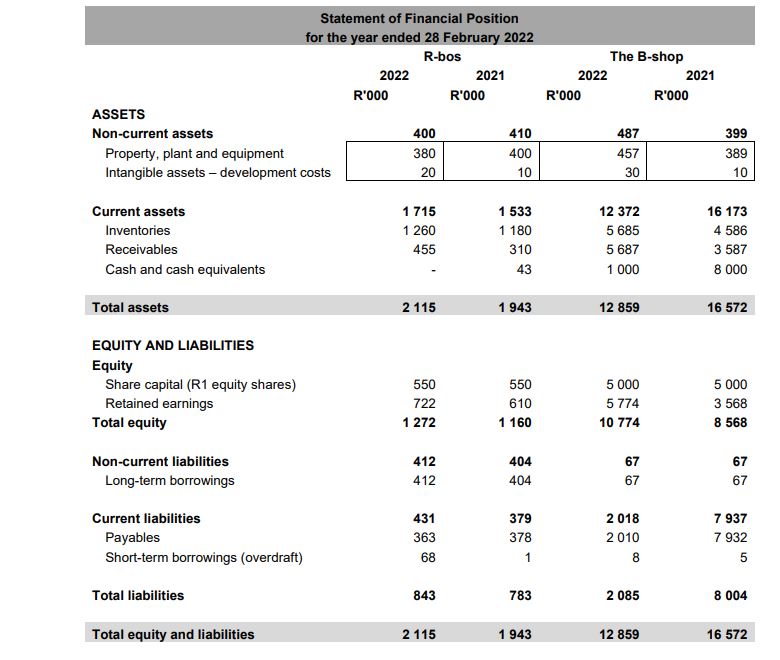
Taxable profit is a critical aspect of a business’s financial health, impacting everything from cash flow to growth potential. One of the significant ways businesses can manage their taxable profit is through the strategic use of deductions and tax credits. These financial tools not only help reduce the tax liability but also play a vital role in the overall profitability of a business.
Deductions and tax credits can significantly impact the amount of taxable profit reported by businesses, allowing them to lower the income subject to tax. Deductions reduce the taxable income dollar-for-dollar, while tax credits provide a direct reduction in the tax owed. Understanding the difference and effectively utilizing both can lead to substantial savings.
Common deductions that businesses utilize
Many businesses leverage a variety of deductions to minimize their taxable profits. Here are some common categories of deductions that can help businesses lower their taxable income:
- Operating expenses: These include rent, utilities, and salaries, which are essential for running the business.
- Cost of goods sold (COGS): This refers to the direct costs attributable to the production of goods sold by the business.
- Depreciation: Businesses can deduct the depreciation of their assets over time, which reflects the wear and tear on physical property.
- Business travel: Travel expenses incurred for business purposes, including airfare and lodging, can be deducted.
- Advertising and marketing: Costs related to promoting products or services are typically deductible.
Understanding the distinction between tax deductions and tax credits is crucial for effective tax planning. Here are the key differences:
- Tax Deductions:
Deductions lower taxable income, reducing the amount of income that is subject to tax.
For example, if a business has a taxable income of $100,000 and claims $20,000 in deductions, the taxable income is reduced to $80,000.
- Tax Credits:
Credits directly reduce the amount of tax owed, providing a dollar-for-dollar reduction.
For instance, if a business owes $10,000 in taxes and qualifies for a $1,000 tax credit, the tax owed drops to $9,000.
Taxable profit versus accounting profit
Taxable profit and accounting profit are two fundamental concepts in the financial reporting and taxation realm that serve different purposes. Accounting profit is primarily used to assess a company’s performance and is governed by accounting standards. In contrast, taxable profit is determined by tax laws and is used to calculate the tax liability of a business. Understanding the differences between these two forms of profit is crucial for business owners and financial professionals alike to ensure compliance and optimize financial strategies.
Taxable profit and accounting profit differ in several ways, particularly in how certain expenses and revenues are recognized. Accounting profit is derived from the financial statements prepared according to Generally Accepted Accounting Principles (GAAP) or International Financial Reporting Standards (IFRS). It considers all expenses and revenues that relate to the business’s operational activities within a specified period. On the other hand, taxable profit may include additional adjustments that arise due to provisions in tax law which can lead to discrepancies in reported figures.
Certain expenses, for example, may be treated differently under tax law compared to accounting standards. Depreciation is a prime example. While accounting standards allow businesses to use different methods, such as straight-line or declining balance, tax regulations may specifically require a particular method, often leading to varying depreciation amounts being reported. Additionally, certain expenses may be fully deductible for accounting purposes but may be limited or disallowed under tax laws, such as entertainment expenses.
To illustrate these differences more clearly, here’s a comparison table showcasing examples of items that may differ in treatment between taxable profit and accounting profit:
| Item | Accounting Profit Treatment | Taxable Profit Treatment |
|---|---|---|
| Depreciation | Varies based on method (e.g., straight-line, declining balance) | Often specified method (e.g., MACRS in the U.S.) |
| Bad Debts | Allowances can be made based on expected losses | Only actual write-offs may be deductive |
| Research & Development Expenses | Typically capitalized and amortized | May be fully deductible in the year incurred |
| Interest Expense | Generally fully deductible | Deductibility may be limited under thin capitalization rules |
Understanding these distinctions can enhance decision-making processes, ensuring businesses remain compliant while also optimizing their financial standing.
The implications of taxable profit on cash flow management
In the realm of finance, understanding the relationship between taxable profit and cash flow management is crucial for businesses. Taxable profit represents the amount of income that is subject to taxation after accounting for allowable deductions. This figure doesn’t merely affect tax returns; it directly influences a company’s cash flow management strategies, which are essential for maintaining operational liquidity and long-term financial health.
The interplay between taxable profit and cash flow is significant, as higher taxable profits can lead to increased tax liabilities. Businesses must adopt strategic approaches to manage this cash flow effectively. One common strategy involves forecasting and budgeting based on anticipated taxable profits, thereby allowing companies to set aside funds for tax obligations. This proactive approach ensures that cash will be available when tax payments are due, preventing potential liquidity crises.
Preparation for tax liabilities based on taxable profit
Effective cash flow management requires careful planning for tax liabilities. To prepare adequately, businesses should consider the following strategies:
1. Cash Reserves: Maintaining a cash reserve specifically for tax payments helps ensure that businesses can meet their obligations without disrupting operations. This reserve should be regularly updated based on projected taxable profits.
2. Tax Planning: Engaging in strategic tax planning can minimize taxable profit legally, thus reducing tax liabilities. This may include exploring deductions, credits, or deferrals that can lower the overall tax burden.
3. Regular Financial Reviews: Conducting frequent financial reviews enables businesses to adjust their cash flow strategies in response to changes in taxable profit. Regular assessments allow for timely identification of potential cash shortages before tax deadlines.
4. Consulting Tax Professionals: Engaging with tax advisors can provide insights into optimizing tax liabilities through effective cash flow strategies, ensuring companies remain compliant while maximizing financial efficiency.
Neglecting to manage cash flow concerning tax obligations can lead to severe consequences. For example, a growing company may show increasing taxable profits due to rising sales. If management fails to anticipate the resulting tax liability and does not allocate sufficient funds, the company may face cash shortages when taxes are due. This situation could force the business to delay payments, incur penalties, or even jeopardize its operations.
Another illustrative example involves a small business that neglects to set aside cash for an unexpected tax audit, resulting in a significant tax bill. Without adequate cash flow, the business may struggle to cover the new liability, impacting its ability to pay employees or suppliers. Such scenarios underscore the critical importance of integrating cash flow management with the implications of taxable profit.
Future trends in taxable profit regulations and implications for businesses
As the landscape of taxation continuously evolves, businesses must adapt to emerging trends in taxable profit regulations. The future of taxation is likely to be shaped by various factors, including technological advancements, changes in global economic conditions, and shifts in government policies. Understanding these trends is essential for organizations to ensure compliance and optimize their tax strategies.
One significant trend is the increasing push for transparency and accountability in financial reporting. Governments around the world are adopting stricter regulations that require businesses to provide more detailed information about their taxable profits. This shift aims to combat tax evasion and ensure fair taxation. As a result, companies may need to invest in enhanced reporting systems and training to comply with these changes.
Technological advancements influencing tax compliance and reporting
Technological advancements are revolutionizing tax compliance and reporting processes. The integration of artificial intelligence (AI) and machine learning allows businesses to streamline their tax calculations and reporting, significantly reducing human error and increasing efficiency. Companies are leveraging data analytics to gain insights into their financial activities, enabling them to optimize their tax positions.
Furthermore, blockchain technology is emerging as a game-changer in tax compliance. By providing a secure and transparent ledger of transactions, blockchain can simplify the audit process and enhance trust between businesses and tax authorities.
The importance of embracing these technological advancements cannot be overstated. Businesses that fail to adapt may face increased scrutiny from tax authorities, leading to potential penalties and reputational damage. Moreover, investing in technology can yield long-term cost savings and improve financial decision-making.
Recent studies and expert insights indicate that governments are likely to continue enhancing their digital tax infrastructures. For instance, the OECD’s Base Erosion and Profit Shifting (BEPS) project aims to address tax avoidance strategies, encouraging countries to adopt more standardized reporting requirements.
“Adapting to the evolving tax landscape is crucial for businesses seeking to maintain compliance and a competitive edge.”
As regulations become more complex, companies will need to stay informed about changes that could impact their taxable profit calculations. Engaging with tax professionals and staying updated on legislative developments will be essential for effective tax planning.
Wrap-Up
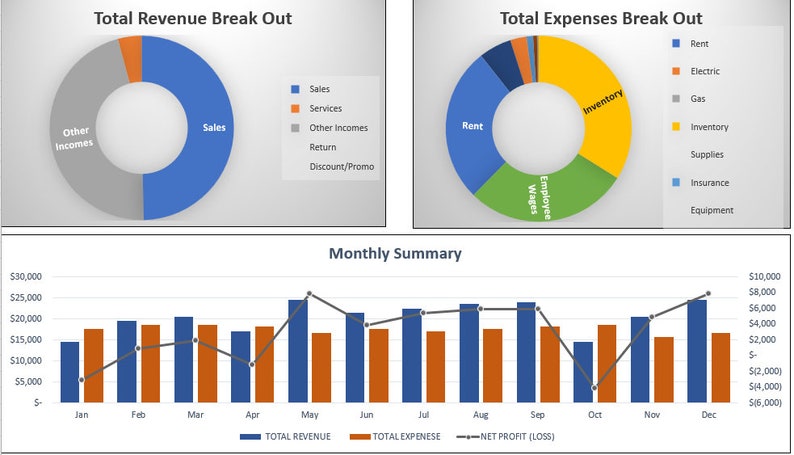
In summary, understanding taxable profit is essential for businesses aiming to navigate their tax responsibilities effectively while enhancing their financial health. By differentiating between taxable and accounting profit, recognizing the role of deductions and credits, and effectively managing cash flow, businesses can mitigate tax burdens and pave the way for sustainable growth. Staying informed about future trends in taxation will further equip companies to adapt and thrive in an ever-evolving regulatory landscape.
FAQ
What is the difference between taxable profit and net profit?
Taxable profit is the amount of income subject to tax after deductions, while net profit is the overall profit remaining after all expenses have been deducted from total revenue.
How do tax credits affect taxable profit?
Tax credits directly reduce the tax owed, which can lower the overall tax liability but do not alter the taxable profit amount reported.
Are all business expenses deductible from taxable profit?
No, not all expenses are deductible. Only those that qualify under tax law can be deducted, which may vary by jurisdiction.
Can taxable profit influence business growth?
Yes, understanding and managing taxable profit can enable businesses to allocate resources effectively, reinvest in growth opportunities, and maintain healthier cash flow.
How often should businesses review their taxable profit?
It’s advisable for businesses to review their taxable profit regularly, ideally quarterly, to ensure they are on track with their tax obligations and financial planning.