 Phoebe Lydia
Turnover tax stands at the intersection of fiscal policy and business operations, shaping how enterprises manage their finances and compliance. Its significance varies across jurisdictions, making it a critical area of understanding for both traditional and digital businesses. As we delve into the nuances of turnover tax, we’ll uncover its objectives, how it differs from other tax types, and the calculation methods that govern its application.
From small startups to large corporations, turnover tax can influence operational strategies and financial planning. By examining the effects on small businesses, international practices, compliance requirements, and future trends, we aim to provide a comprehensive overview that equips readers with the knowledge to navigate this essential aspect of taxation.
Turnover tax
Turnover tax is a unique form of taxation that is applied to a business’s total revenue, rather than its profit. This type of tax is prevalent in various jurisdictions and serves as a significant source of revenue for governments. Understanding how turnover tax operates and its implications can help businesses navigate their fiscal responsibilities more effectively.
The core concept of turnover tax revolves around taxing the gross receipts of a business, irrespective of costs or profits incurred. This tax is particularly relevant in many developing countries and small businesses where profit margins can be thin, and administrative costs for other tax types can be high. The primary objectives of implementing turnover tax within a fiscal system include simplifying the tax collection process, providing a steady revenue stream for governments, and encouraging compliance among smaller businesses.
Differences between Turnover Tax and Other Tax Types
Understanding the distinctions between turnover tax and other forms of taxation like income tax and sales tax is crucial for business owners. Below are key differences that highlight the unique aspects of turnover tax:
– Basis of Taxation:
– Turnover tax is levied on the total revenue generated by a business, without considering the expenses incurred.
– In contrast, income tax is based on net income, which is calculated after deducting allowable expenses from gross income.
– Sales tax is charged only on the sale of goods and services to the end consumer, making it a consumption tax rather than a revenue tax.
– Impact on Business Operations:
– Turnover tax can create a heavier burden for businesses with high revenues but low profit margins, as they must pay taxes on their gross income regardless of profitability.
– Income tax, while potentially lower for less profitable businesses, can incentivize companies to invest in expenses that minimize tax liability.
– Sales tax is generally passed on to consumers, thus not directly affecting the cash flow of a business but influencing pricing strategies.
– Administrative Complexity:
– Turnover tax is often viewed as simpler and more straightforward for businesses to calculate and remit since it does not require detailed analysis of expenses and profits.
– Income tax systems typically require extensive record-keeping and compliance measures, which can be burdensome for small businesses.
– Sales tax systems require businesses to track sales transactions meticulously, which can also lead to complexity.
“Turnover tax serves as a straightforward approach to taxation, making compliance easier for small businesses and providing a stable revenue source for governments.”
Businesses operating in jurisdictions with turnover tax must be mindful of its implications and structure their financial strategies accordingly to ensure compliance and minimize tax liabilities while maintaining profitability.
The Calculation of Turnover Tax
Calculating turnover tax can initially seem complex, but breaking it down into manageable steps simplifies the process. This tax is crucial for businesses with varying revenue streams, and understanding its calculation ensures compliance and proper financial management.
To accurately calculate turnover tax, businesses must consider their total revenue from all sources. The tax rate may vary based on the type of business and the specific revenue streams involved. Here’s a step-by-step guide to help navigate the calculation process.
Step-by-Step Calculation Process
Understanding the calculation process is essential for accurate reporting and compliance. Below is a structured approach to calculating turnover tax:
1. Identify Revenue Streams:
Start by identifying all sources of revenue for your business, including sales, service income, and any other earnings.
2. Aggregate Total Revenue:
Combine the revenue from all streams to determine the total gross income for the period under review.
3. Determine Applicable Tax Rate:
Research and identify the specific turnover tax rate that applies to your business type. Rates can vary based on industry and location.
4. Calculate Turnover Tax:
Multiply the total revenue by the applicable tax rate. This calculation gives you the turnover tax owed.
5. Record and Report:
Document the calculation and ensure it is included in your financial reporting for compliance purposes.
Here is a simple formula for calculating turnover tax:
Turnover Tax = Total Revenue x Turnover Tax Rate
Examples of Businesses and Applicable Tax Rates
Different types of businesses face varying turnover tax rates depending on their operations. Here are a few examples:
– Retail Businesses:
Typical turnover tax rates for retail can range from 1% to 3% depending on location and volume of sales. For instance, a retail store with a total revenue of $100,000 and a turnover tax rate of 2% would owe $2,000 in turnover tax.
– Service Providers:
Service-based businesses often have turnover tax rates of around 3% to 5%. For example, a consultancy firm earning $200,000 in a fiscal year at a 4% rate would owe $8,000 in turnover tax.
– Manufacturers:
Manufacturing businesses might see rates between 1% to 3%. A manufacturing company with revenues of $500,000 at a 2% tax rate would calculate its turnover tax at $10,000.
Implications of Incorrect Calculations
Incorrect turnover tax calculations can lead to significant repercussions for businesses, including penalties and interest charges. It’s crucial to ensure accuracy in reporting. Here are ways to rectify incorrect calculations:
– Conduct a Review:
Regularly review your financial records and tax calculations to ensure accuracy.
– Seek Professional Help:
Consider consulting with a tax professional or accountant, especially if you’re unsure about the calculations or applicable rates.
– Amend Returns:
If errors are identified after submission, submit an amended tax return to correct the inaccuracies.
By maintaining diligent records and being proactive in calculations, businesses can effectively manage their turnover tax obligations and avoid potential pitfalls.
The Impact of Turnover Tax on Small Businesses
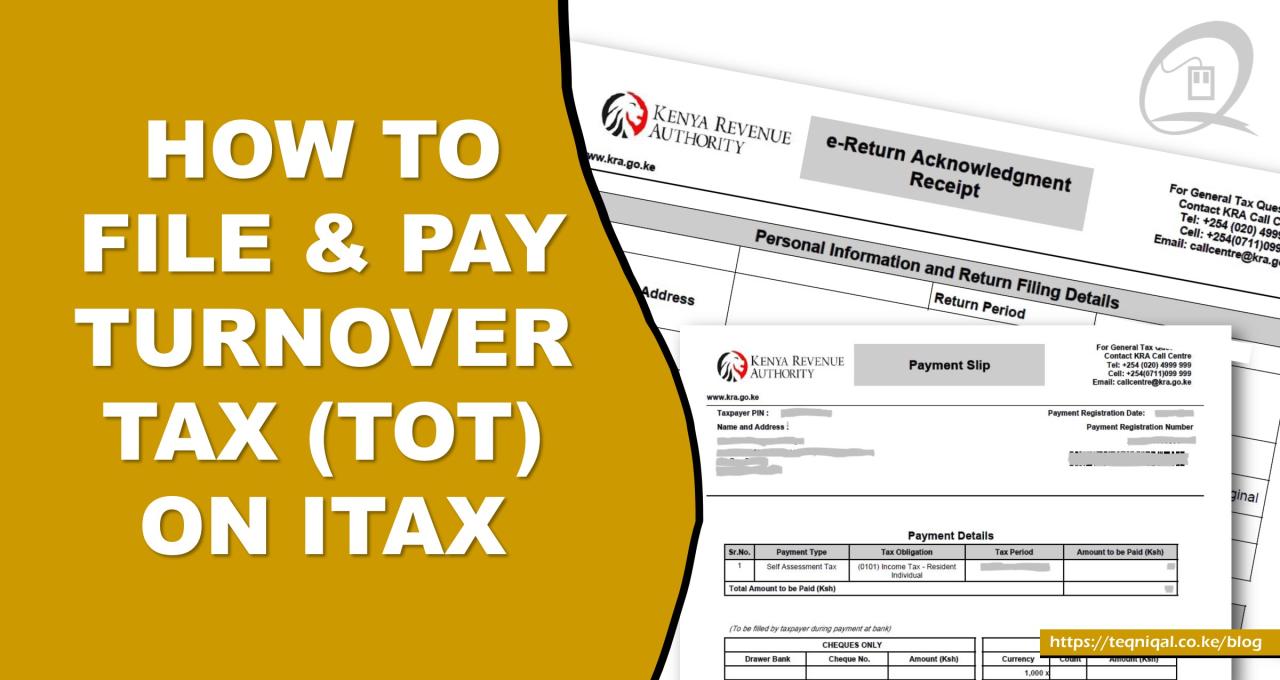
Turnover tax is designed to simplify tax compliance for small businesses by allowing them to pay tax based on their total revenue rather than their profit. While this system offers certain advantages, it also poses unique challenges for small enterprises. Understanding how turnover tax impacts operational costs is crucial for startups and smaller businesses aiming to navigate their financial landscape effectively.
The operational costs of small businesses are significantly influenced by turnover tax, as this tax is generally levied as a percentage of total revenue. Unlike traditional income taxes, which depend on profit margins, turnover tax can lead to higher costs for businesses with lower profit margins, creating a financial strain. Additionally, due to its structure, businesses with fluctuating revenues may find it difficult to predict their tax liabilities accurately, which can affect budgeting and financial planning.
Benefits and Drawbacks of Turnover Tax for Small Enterprises
Turnover tax comes with distinct benefits and drawbacks for startups and small enterprises. Understanding these aspects can help businesses make informed decisions about their tax strategies.
Benefits include:
- Simplified Tax Compliance: The straightforward calculation based on total revenue reduces the complexity involved in tax filing, making it easier for small business owners to manage their tax obligations.
- Lower Administrative Burden: With fewer calculations and records needed, small businesses can allocate resources more effectively, focusing on growth rather than compliance.
- Predictable Tax Payments: Since turnover tax is based on revenue, businesses can anticipate their tax expenses more reliably, aiding in financial planning.
Drawbacks consist of:
- Impact on Cash Flow: For businesses with lower profit margins, turnover tax can disproportionately affect cash flow, leading to potential liquidity issues.
- Higher Effective Tax Rates: Startups with initial low revenues may face higher effective tax rates compared to their more established counterparts, creating an uneven playing field.
- Lack of Incentives: The tax structure may discourage businesses from seeking growth in revenue due to the corresponding increase in tax liability, potentially stifling innovation.
Challenges in Managing Turnover Tax Compliance
Small businesses often encounter common challenges when it comes to managing turnover tax compliance. These challenges can hinder their operational efficiency and financial health.
One major challenge is maintaining accurate revenue records. Since turnover tax is based on total revenue, businesses must ensure that all income streams are carefully tracked and documented. This requirement can strain resources, especially for small enterprises with limited accounting staff.
Another challenge lies in the varying rates set by different jurisdictions. Small businesses operating across regions may struggle to comply with multiple turnover tax rates, leading to confusion and the potential for compliance errors.
Furthermore, understanding exemptions and deductions applicable to turnover tax can be complex. Small business owners often lack the expertise needed to navigate these intricacies, which can result in missed opportunities for tax savings.
In summary, while turnover tax provides a simplified framework for tax compliance, small businesses must be aware of the unique operational challenges and financial implications it presents. By effectively managing these aspects, startups and small enterprises can better position themselves for sustainable growth in an increasingly competitive environment.
Turnover Tax in International Context
The implementation of turnover tax varies significantly across different countries, shaped by local economic conditions, regulatory frameworks, and political landscapes. This diversity reflects the unique approaches nations take to taxation, influenced by both historical precedents and contemporary global trends. As businesses increasingly operate across borders, understanding these differences becomes crucial for compliance and strategic planning.
The effects of globalization have led to a reevaluation of turnover tax practices in various economies, as countries seek to attract foreign investment while ensuring equitable tax contributions. This has resulted in a blend of traditional turnover tax models and modern adaptations designed to accommodate the complexities of international trade.
Comparative Analysis of Turnover Tax Implementation
Different countries adopt turnover tax systems that can range from simple flat rates to more complex tiered structures. For instance:
- In France, the TVA (Taxe sur la Valeur Ajoutée) operates as a value-added tax that effectively functions like a turnover tax, applying to nearly all goods and services at various rates.
- South Africa implements a turnover tax targeted specifically at small businesses, allowing those with a turnover below a certain threshold to benefit from a simplified tax regime.
- Germany utilizes a mixed approach, where turnover tax is integrated into the broader VAT system, reflecting its commitment to align with European Union standards.
Each system has its strengths and weaknesses, often influenced by local economic conditions, such as the level of informality in the economy and administrative capacity.
Globalization’s Impact on Turnover Tax Practices
Globalization has introduced challenges and opportunities for turnover tax systems worldwide. With the rise of e-commerce and digital services, many countries are revising their turnover tax regulations to capture revenue from international transactions.
The following points highlight the influence of globalization:
- Increased cross-border trade has led to calls for harmonization of turnover tax rates to avoid double taxation and ensure fairness.
- Emerging economies are increasingly adopting turnover tax measures to broaden their tax base, particularly in sectors where traditional income taxes are difficult to enforce.
- Tax treaties are becoming more prevalent, allowing countries to establish guidelines on turnover taxes in international transactions, which enhances compliance and reduces tax evasion.
These developments illustrate the ongoing evolution of turnover tax in response to a more interconnected global economy.
Regulatory Considerations for Multinational Businesses
Businesses operating across multiple jurisdictions face a complex landscape of turnover tax regulations. Each country may have its unique compliance requirements, leading to both challenges and strategic advantages.
Key regulatory considerations include:
- Understanding the varying turnover tax thresholds and rates in different countries, which can significantly impact pricing strategies and profitability.
- Staying updated on international agreements and treaties that may affect turnover tax liabilities, ensuring compliance while optimizing tax positions.
- Implementing robust accounting systems that can handle diverse tax calculations and reporting requirements across jurisdictions.
Navigating this intricate regulatory framework is essential for multinational businesses to maintain compliance and capitalize on market opportunities.
Multinational businesses must adopt a proactive approach to managing turnover tax obligations across various jurisdictions to minimize risks and enhance operational efficiency.
Compliance and Reporting Requirements for Turnover Tax
Businesses subject to turnover tax regulations must adhere to specific compliance obligations to ensure they meet the legal requirements set forth by tax authorities. These obligations not only help maintain a clear record of business activities but also prevent penalties associated with non-compliance.
The compliance landscape for turnover tax necessitates accurate record-keeping, timely reporting, and adherence to prescribed formats for documentation. It is essential for businesses to maintain transparent practices that reflect their financial transactions.
Documentation and Reporting Requirements
To ensure compliance with turnover tax laws, businesses should follow a systematic approach to documentation and reporting. This involves keeping detailed records of all transactions and understanding the reporting timelines. The following checklist Artikels key documentation and reporting requirements:
- Sales Invoices: Maintain copies of all sales invoices issued to customers, including the date, amount, and nature of goods or services provided.
- Purchase Invoices: Keep records of all purchase invoices from suppliers to track input tax and assess the correct turnover tax liabilities.
- Turnover Tax Returns: File periodic turnover tax returns as required by the tax authority, detailing the turnover tax collected and payable.
- Financial Statements: Prepare and retain annual financial statements that summarize the business’s financial position and include turnover tax liabilities.
- Tax Payment Receipts: Ensure to keep receipts or confirmations for all turnover tax payments made to substantiate compliance.
Leveraging Technology for Compliance
Technology plays a pivotal role in streamlining turnover tax compliance and reporting processes. Businesses can utilize various software solutions that automate record-keeping, generate reports, and ensure timely submissions.
Implementing an integrated accounting system can help maintain accurate financial records and automatically calculate turnover tax obligations. Additionally, cloud-based tax compliance platforms offer real-time data access, which enhances transparency and collaboration among team members.
“Utilizing technology not only simplifies the compliance process but also significantly reduces the likelihood of errors, thereby ensuring adherence to turnover tax laws.”
Furthermore, electronic filing systems facilitate quicker submission of tax returns, minimizing the risk of late penalties. Such systems often come equipped with reminders for important deadlines and updates on changes to tax regulations, keeping businesses informed and compliant.
Future Trends in Turnover Tax Legislation
The landscape of turnover tax legislation is poised for significant transformation in the coming years. As economies evolve and digital commerce expands, various factors are influencing legislative reforms that aim to enhance tax compliance and adapt to new economic realities. This progression not only reflects the changing nature of commerce but also the increasing need for international cooperation in tax agreements.
Potential Reforms in Turnover Tax Legislation
Anticipated reforms in turnover tax legislation are likely to focus on simplifying tax structures and improving compliance mechanisms. Governments worldwide are recognizing the need to modernize their tax systems to accommodate the growing digital economy. Key potential reforms may include:
- Introduction of threshold limits for smaller businesses, allowing them to operate without the burden of turnover tax compliance until they reach a certain revenue level.
- Adoption of standardized tax rates across different regions to reduce confusion and improve fairness in taxation.
- Implementation of digital platforms for real-time tax reporting and collection, enhancing transparency and efficiency.
Influence of Digital Commerce on Turnover Tax Policies
Digital commerce is reshaping turnover tax policies dramatically. As more transactions occur online, traditional tax systems are becoming outdated. The rise of e-commerce presents unique challenges and opportunities for tax authorities, leading to adaptations in legislation that reflect these changes. This influence can be observed in several key areas:
- The necessity for taxing online sales, particularly from foreign entities, which often escape local tax obligations.
- Development of specific regulations for digital platforms and marketplaces, which can facilitate tax collection from sellers using these services.
- The use of data analytics to track consumption patterns and enforce tax compliance more effectively.
International Cooperation in Shaping Turnover Tax Agreements
International cooperation is essential for developing effective turnover tax agreements, especially in a globalized economy where businesses operate across borders. Nations are coming together to address the challenges posed by tax base erosion and profit shifting. Collaborative efforts can be characterized by:
- Multilateral agreements that harmonize turnover tax rates, reducing competitive disadvantages for businesses operating in multiple jurisdictions.
- Information sharing between countries to improve tax compliance and reduce evasion, ensuring that businesses contribute fairly to the economies they operate within.
- Joint efforts to establish clear guidelines for taxing digital goods and services, thus providing a cohesive framework for international taxation.
Case Studies on Turnover Tax Implementation
Navigating the complexities of turnover tax can be a challenging endeavor for businesses. However, several companies have successfully implemented strategies to optimize their turnover tax liabilities while ensuring compliance with regulatory requirements. This section presents case studies of specific businesses that have overcome the challenges associated with turnover tax, highlighting the strategies employed and the valuable lessons learned.
Case Study: Tech Innovations Ltd.
Tech Innovations Ltd., a small software development company, faced significant turnover tax implications due to its rapidly increasing sales volume. To mitigate the impact of turnover tax, the company adopted a multi-faceted approach:
1. Accurate Sales Tracking: They implemented advanced software solutions that tracked sales in real-time, ensuring that all revenue was accurately reported for turnover tax purposes. This reduced errors and minimized the risk of penalties.
2. Expense Documentation: The company maintained meticulous records of all business expenses, allowing them to reduce their turnover tax base legally. By classifying expenses effectively, they could demonstrate their validity during audits.
3. Consultation with Experts: Tech Innovations sought advice from tax professionals to navigate the complexities of turnover tax regulations and determine the most beneficial tax strategies. Expert guidance helped them identify available exemptions and deductions.
The lessons learned from Tech Innovations Ltd. include the importance of real-time financial tracking and the necessity of consulting with tax experts to make informed decisions.
Case Study: Green Earth Goods
Green Earth Goods, an eco-friendly retail store, encountered challenges related to turnover tax reporting due to varying rates across different product categories. To address these challenges, the store implemented the following strategies:
1. Product Segmentation: By categorizing products based on applicable turnover tax rates, Green Earth Goods streamlined its tax reporting. This segmentation allowed for clearer financial reporting and compliance.
2. Staff Training: The company conducted regular training sessions for employees on turnover tax regulations, ensuring that staff were knowledgeable about tax implications related to sales. This proactive measure reduced the occurrences of misreported revenue.
3. Software Integration: They integrated their point of sale system with accounting software to automatically calculate turnover tax on transactions, which improved accuracy and efficiency.
The experiences of Green Earth Goods highlight the significance of product categorization and employee training in mitigating turnover tax challenges.
Case Study: Fast Service Logistics
Fast Service Logistics, a logistics company, faced high turnover tax liabilities due to their extensive operational scale. They implemented a strategic plan to manage these liabilities effectively:
1. Tax Incentives Utilization: The company researched and applied for tax incentives available for logistics and transportation sectors, reducing their turnover tax burden significantly.
2. Revenue Forecasting: Through accurate revenue forecasting, they were able to manage cash flow effectively, preparing for turnover tax payments in advance.
3. Collaboration with Tax Authorities: Fast Service Logistics maintained open communication with tax authorities to clarify any doubts regarding turnover tax compliance, fostering a cooperative relationship that helped in resolving issues swiftly.
This case study illustrates the benefits of leveraging tax incentives and maintaining communication with tax authorities to optimize turnover tax liabilities.
“Effective turnover tax management not only ensures compliance but also contributes to a healthier bottom line.”
These case studies collectively underscore the importance of strategic planning, accurate reporting, and continuous learning in successfully navigating turnover tax challenges. By implementing robust systems and seeking external expertise, businesses can optimize their tax liabilities while remaining compliant with regulations.
Turnover Tax and Economic Behavior
The turnover tax plays a critical role in shaping consumer behavior and influencing spending patterns within an economy. By assessing a tax on a company’s revenue rather than its profit, this tax model can lead to distinct behavioral shifts among consumers and businesses alike. Understanding these dynamics is essential for evaluating the broader economic implications of turnover tax.
In regions where turnover tax is implemented, consumer behavior may be affected by price adjustments, as businesses often pass on tax liabilities to consumers. This can lead to increased prices for goods and services, potentially reducing disposable income and altering spending habits. Conversely, businesses might seek to boost sales through promotional strategies, effectively balancing the tax impact. The economic outcomes of regions with turnover tax can be significantly different from those without it, influencing everything from local investment to consumer confidence.
Consumer Behavior and Spending Patterns
The impact of turnover tax on consumer behavior can manifest in various ways, primarily through changes in pricing and purchasing decisions. When businesses face turnover tax, they may adjust their pricing strategies to maintain profitability. This adjustment can create a ripple effect on consumer spending. Key points include:
- Price Sensitivity: Consumers may become more price-sensitive, leading to a reassessment of their purchasing priorities and possibly a shift towards cheaper alternatives.
- Reduced Consumption: Higher prices can lead to decreased consumption, particularly for non-essential goods and services.
- Shift Towards Essentials: Consumers may prioritize spending on essential items, thereby reducing discretionary spending on luxury or non-essential products.
The dynamics of consumer behavior can also vary depending on the overall economic climate and the perceived value of the products. In regions without turnover tax, consumers may enjoy lower prices, which could encourage higher spending and stimulate economic growth.
Economic Outcomes in Regions with and without Turnover Tax
The presence of turnover tax can lead to distinct economic outcomes compared to regions that do not impose such a tax. Key differences include variations in business investment, consumer spending, and overall economic growth. Important considerations include:
- Business Investment: Regions with turnover tax may see a reluctance from businesses to invest due to the direct impact on revenue, potentially stalling economic growth.
- Market Competition: The introduction of turnover tax can affect competition, as businesses with larger revenue bases may absorb the tax impact better than smaller competitors.
- Tax Revenue Generation: Turnover tax can provide a stable revenue source for governments, which can be reinvested into public services and infrastructure, benefiting the broader economy.
In contrast, regions without turnover tax may experience more robust business growth and consumer spending, yet they might face challenges in generating sufficient public revenue for essential services.
Innovation in Business Models and Service Offerings
The introduction of turnover tax can drive businesses to innovate, leading to the development of new business models and service offerings. This adaptation can be crucial for maintaining competitiveness in a tax-affected environment. Notable innovation avenues include:
- Service-Based Models: Businesses may shift towards service-oriented models that generate recurring revenue rather than relying solely on one-time sales, which can mitigate the impact of turnover tax.
- Digital Transformation: Companies may invest in technology and digital solutions to streamline operations and enhance customer engagement, effectively diversifying their revenue streams.
- Collaborative Consumption: The rise of sharing economy models can be a response to turnover tax, allowing businesses to offer cost-effective services that attract budget-conscious consumers.
Such innovation not only helps mitigate the effects of turnover tax but also contributes to a more dynamic and resilient economy, where businesses adapt to challenges posed by taxation frameworks.
Wrap-Up
In summary, turnover tax is more than just a fiscal obligation; it plays a pivotal role in shaping economic behavior and business strategies. As we look to the future, the evolution of turnover tax legislation will continue to impact various sectors, especially in a globalized economy. Understanding this tax’s intricacies will empower businesses to optimize their operations and adapt to changing regulatory landscapes.
General Inquiries
What is turnover tax?
Turnover tax is a tax levied on the total revenue of a business, rather than its profit, and is applicable in various jurisdictions.
How does turnover tax differ from sales tax?
While sales tax is only charged on the sales of goods and services to consumers, turnover tax applies to the total revenue generated by a business, regardless of the sales.
Who is liable to pay turnover tax?
Generally, all businesses that meet specific revenue thresholds set by jurisdictions are liable to pay turnover tax.
Can turnover tax impact pricing strategies?
Yes, businesses may adjust their pricing strategies to accommodate the costs associated with turnover tax, potentially affecting consumer prices.
Are there exemptions for small businesses under turnover tax?
Some jurisdictions may offer exemptions or lower rates for small businesses to alleviate their financial burden.
How can technology assist in turnover tax compliance?
Technology can streamline compliance through automated reporting, accurate calculations, and document management systems that simplify the compliance process.